ESP32 Powers Roulette Wheel, Bypassing Simpler 555 Timer
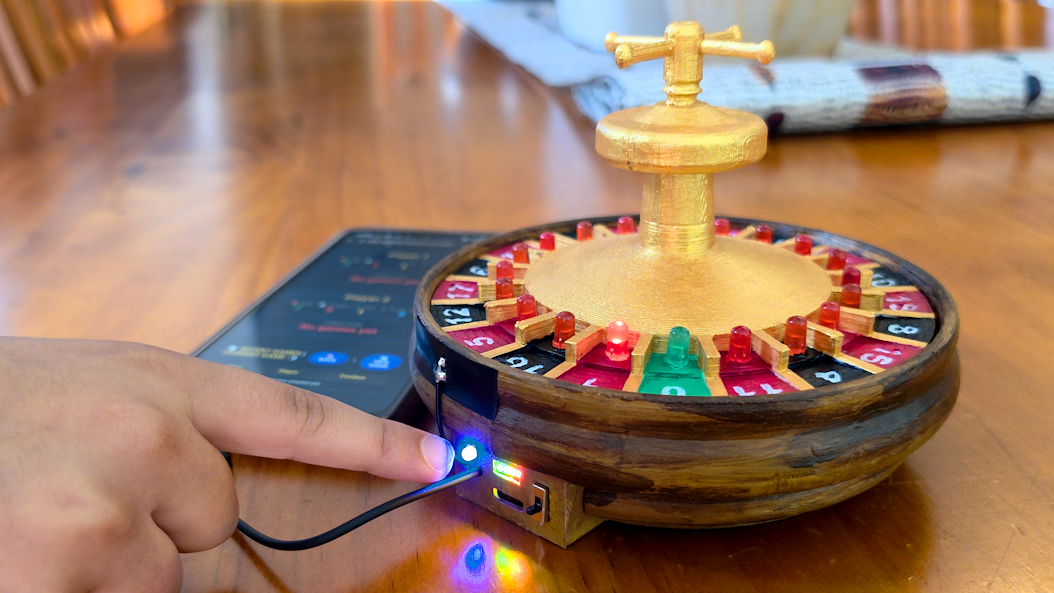
A recently showcased project features a roulette wheel controlled by an ESP32 microcontroller. The creator acknowledges that a simpler 555 timer IC could have been used for the basic functionality of the roulette wheel. However, the choice of the ESP32 was deliberate, prioritizing its built-in Wi-Fi capabilities. This connectivity allows for potential future enhancements and remote control features that would not be possible with a basic 555 timer. The project highlights a common engineering consideration: balancing simplicity and cost with advanced features and future expandability. While a 555 timer is a cost-effective and straightforward solution for timing circuits, the ESP32 offers a more integrated platform for connected projects. The decision to use the ESP32 suggests an intention to leverage its processing power and networking for more than just a simple random number generator. This approach allows for greater flexibility in developing the project further, potentially integrating it with other smart devices or online services.
This project illustrates a fundamental trade-off in embedded systems design between component simplicity and integrated functionality. While a 555 timer offers a low-cost, basic timing solution, the ESP32's inclusion of Wi-Fi and greater processing power enables a broader range of applications, particularly in the context of the Internet of Things. The decision to opt for the more complex microcontroller, despite the availability of simpler alternatives, suggests a design philosophy prioritizing connectivity and future scalability over immediate cost or component count reduction. This approach aligns with the trend towards increasingly interconnected devices, where the ability to communicate wirelessly often outweighs the benefits of using discrete, less capable components. The long-term viability of such projects often depends on the ability to leverage these advanced features for user engagement and data collection.
AI-generated to prompt reflection — not editorial opinion, not advice, not a statement of fact. How this works.