Essential Guide to Organizing Successful Events in Foz do Iguaçu
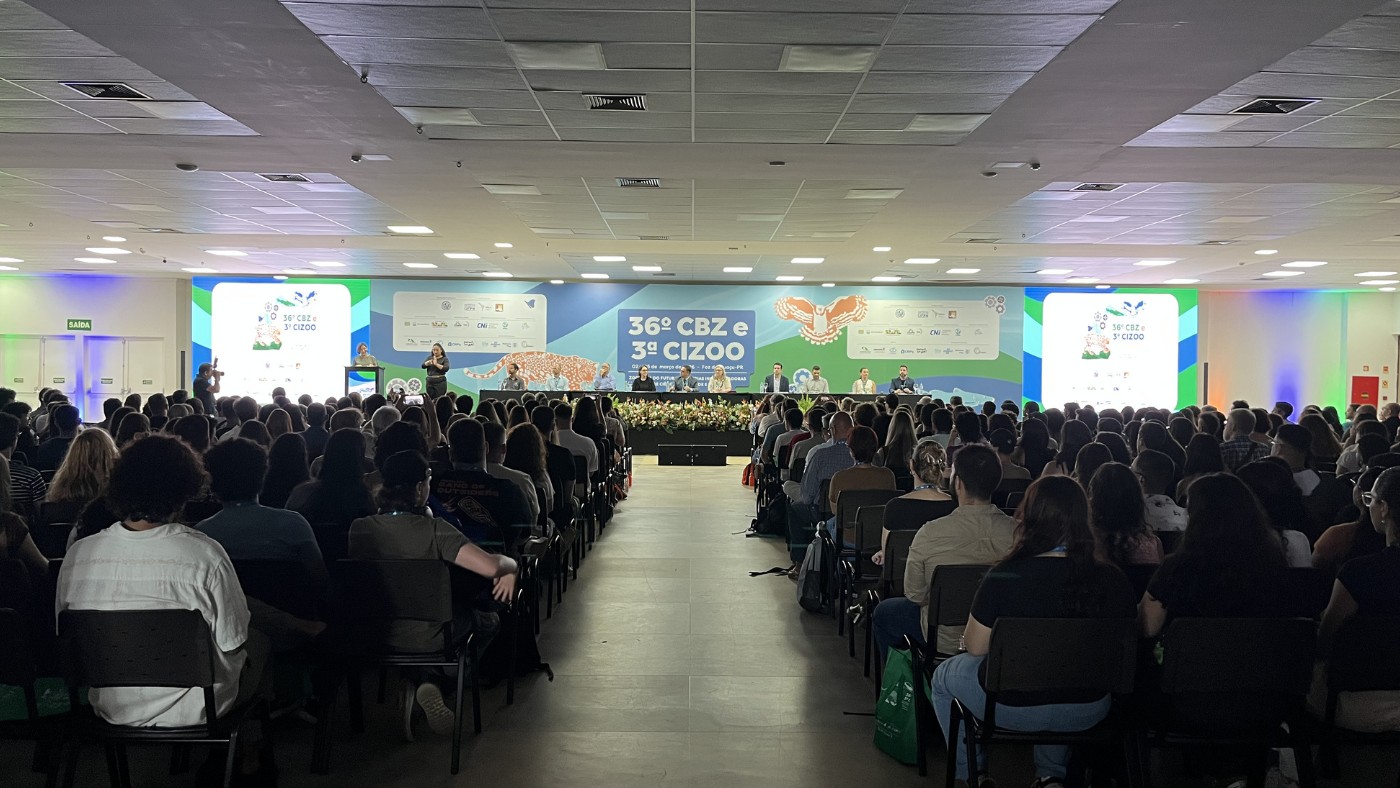
Organizing successful events, whether congresses, workshops, or fairs, requires meticulous planning and consideration of various factors, even for experienced professionals. Key elements include defining the target audience, securing resources, and fostering networking opportunities. Initial events may not always meet expectations, highlighting the need for continuous adaptation to trends, robust security, efficient logistics, and audience-appropriate interaction formats. The objectives of an event, ranging from product launches and awards to establishing industry authority or promoting learning and relationships, directly shape its format and structure.
Foz do Iguaçu actively leverages its event sector to boost its local economy. The city boasts over 170 hotels with approximately 28,000 beds and around 30 dedicated event spaces, making it a prime location for conventions, fairs, and seminars that impact hospitality, transportation, and dining. Visit Iguassu offers comprehensive support to event organizers, providing consultancy on venue selection, promotional strategies, business articulation, and integration with the local community, all while emphasizing sustainability. The article outlines eight crucial recommendations for event structuring: clear and consistent communication across all channels, leveraging technology and innovation for planning and execution, managing necessary permits and bureaucracy, ensuring effective team coordination, selecting appropriate venues and cities, choosing reliable suppliers and local experiences, developing contingency plans for unforeseen issues, and conducting thorough post-event evaluations to inform future improvements.
The article provides a practical framework for event planning, emphasizing the strategic importance of Foz do Iguaçu as a MICE (Meetings, Incentives, Conferences, and Exhibitions) destination. By highlighting the city's infrastructure and the support services offered by Visit Iguassu, the piece implicitly encourages event organizers to consider the location's advantages. This approach aligns with destination marketing strategies that aim to attract business tourism, thereby stimulating local economies through hospitality, transportation, and related services. Future event planning will likely see increased integration of digital technologies for hybrid formats and enhanced participant engagement, alongside a growing emphasis on sustainable practices and robust risk management to navigate an increasingly complex global landscape.
AI-generated to prompt reflection — not editorial opinion, not advice, not a statement of fact. How this works.