Estonia Warns: Cost of Russian Victory in Ukraine Exceeds Support Costs
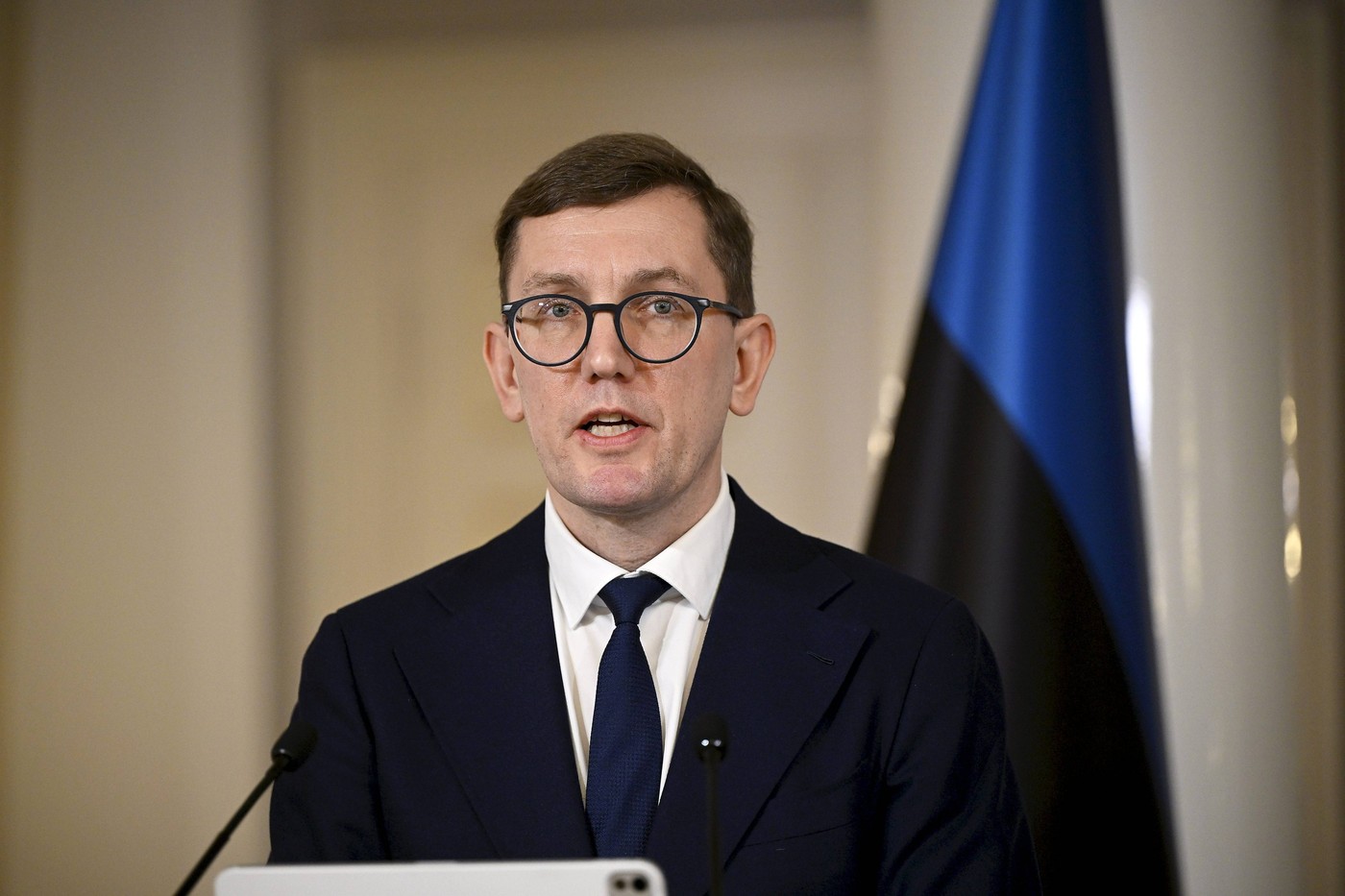
Estonian Prime Minister Kaja Kallas has urged the European Union to increase its efforts in financing its own security and to bolster support for Ukraine. This statement was made during a meeting of Baltic leaders in Berlin, which focused on discussing the threats confronting the European Union. Kallas emphasized that a Europe where Russia achieves its objectives would be significantly more costly than continuing to support Ukraine. The meeting aimed to coordinate strategies and address the security challenges faced by the region and the broader EU. The Prime Minister's remarks highlight a growing concern among Eastern European nations regarding potential Russian expansionism and its implications for European stability. The call for increased EU investment in security underscores the perceived inadequacy of current defense spending and preparedness. The discussion in Berlin also likely touched upon the need for sustained military and financial aid to Ukraine to ensure its sovereignty and territorial integrity. The Estonian perspective suggests a proactive approach is necessary to deter further aggression and maintain a secure European order.
The Estonian Prime Minister's statement frames continued support for Ukraine as a more economically rational choice than facing a potentially emboldened Russia. This perspective highlights the strategic calculus of deterrence, suggesting that proactive investment in Ukraine's defense and the EU's own security infrastructure can mitigate larger, future costs associated with geopolitical instability. The analysis implies that the economic burden of managing a Russian-dominated Eastern European landscape, including potential refugee crises, increased defense spending across the continent, and disrupted trade, could far outweigh the current financial commitments to Ukraine. This viewpoint encourages a long-term, systemic view of security, emphasizing that present-day expenditures are investments in future stability, aligning with the evolving security paradigms of the AI era where geopolitical leverage can shift rapidly.
AI-generated to prompt reflection — not editorial opinion, not advice, not a statement of fact. How this works.