Eswatini Faces Landmark Legal Battle Over LGBTI Rights and Civic Freedoms
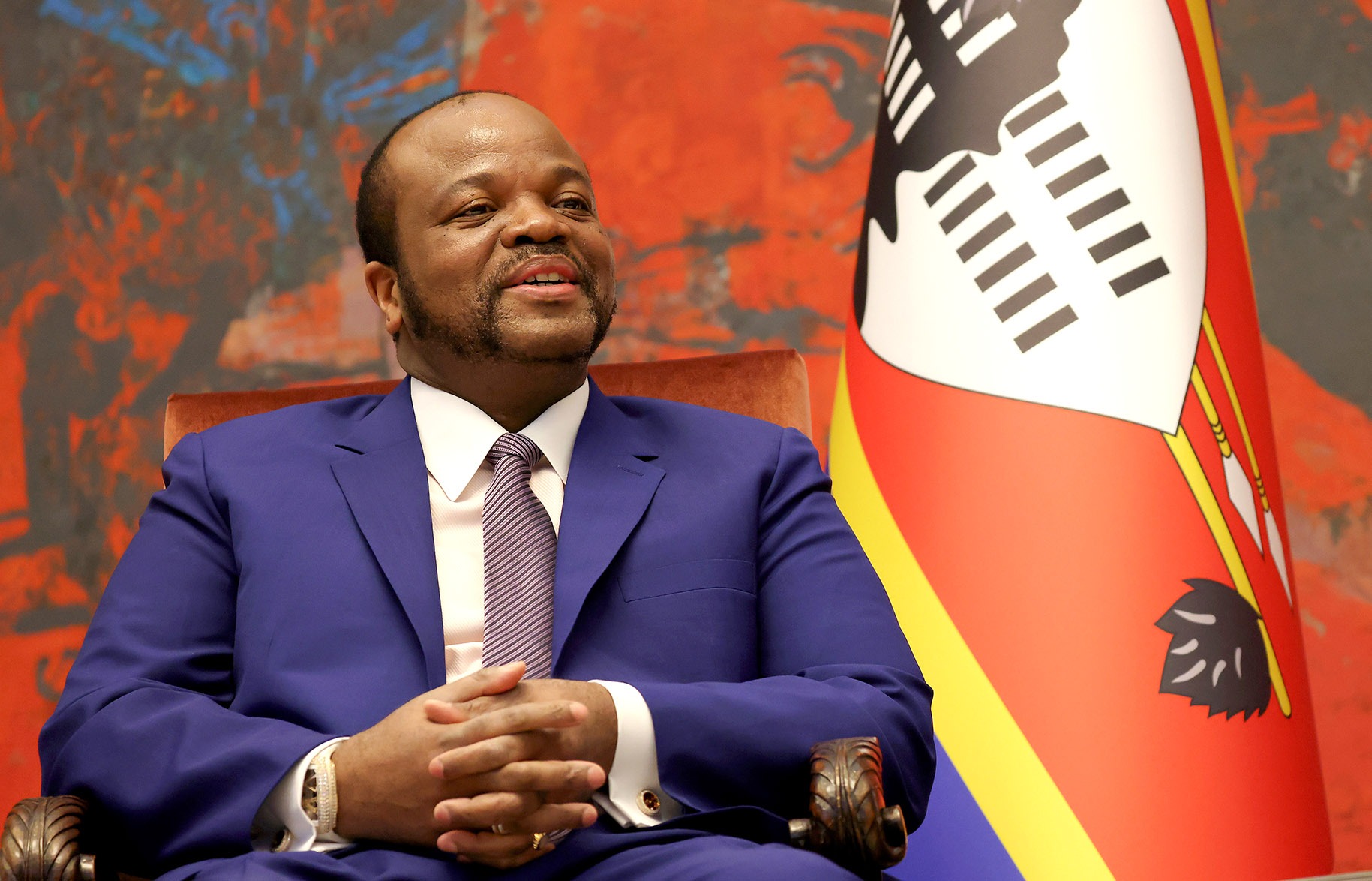
The Eswatini Sexual and Gender Minorities (ESGM) group has been engaged in a seven-year legal struggle against the Swazi government concerning the right to freedom of association for its citizens. This protracted fight is directed at a government and a monarch who reportedly hold the view that LGBTI individuals have no place in the kingdom. The government is also actively seeking to curtail the influence and operational capacity of civil society organizations within Eswatini. The core of the legal challenge revolves around the fundamental right to associate freely, a principle that ESGM is defending against significant governmental opposition. The ongoing battle highlights the tension between the rights of marginalized communities and the state's efforts to control civic space.
This legal contest in Eswatini represents a critical juncture for civic freedoms and LGBTI rights within the kingdom. The government's resistance to the freedom of association, particularly for LGBTI organizations, suggests a governance approach prioritizing state control over individual liberties and minority protections. Such a stance may stem from deeply entrenched cultural or political ideologies that conflict with evolving global norms on human rights. In the coming decade, the intersection of digital connectivity and increasing global awareness of human rights issues could amplify pressure on governments like Eswatini to reconcile their internal policies with international standards. The outcome of this case will likely signal the future trajectory of civil society engagement and minority rights advocacy in the region, potentially influencing broader discussions on governance and inclusivity.
AI-generated to prompt reflection — not editorial opinion, not advice, not a statement of fact. How this works.