Ethanol Production: Nitin Gadkari Denies Conflict of Interest Allegations
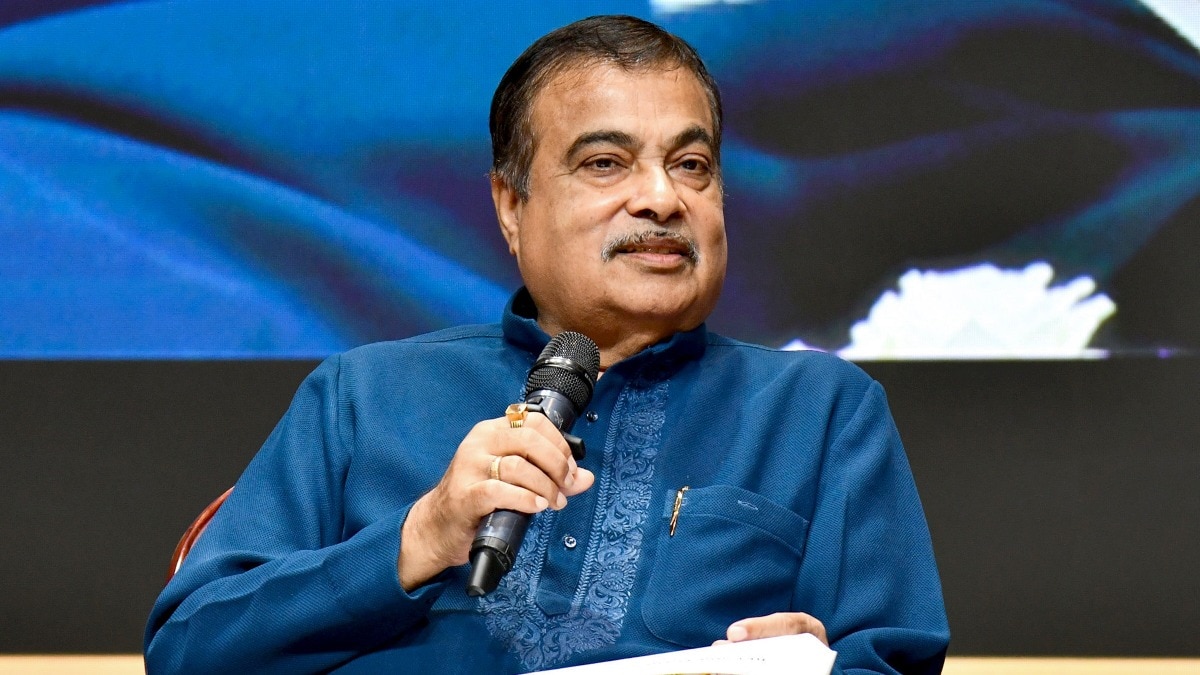
Union Minister for Road Transport and Highways, Nitin Gadkari, has vehemently denied allegations of a conflict of interest concerning his family's involvement in the sugar business and the government's ethanol policy. In an exclusive interview with India Today TV, Gadkari clarified that his family's sugar business predates the implementation of the government's current ethanol policy. He stated that his personal share in ethanol production is a mere 0.07%. Gadkari emphasized that the family's long-standing sugar enterprise was established long before the current policy framework was introduced. This clarification comes amidst public scrutiny and accusations questioning the impartiality of the government's recent push for increased ethanol blending in fuel. The minister's statement aims to address concerns that the policy might disproportionately benefit businesses with existing ties to the sugar industry. He sought to assure the public that his family's involvement is historical and that his personal stake in ethanol production is minimal.
The minister's clarification addresses potential perceptions of preferential treatment by highlighting the historical nature of his family's sugar business and his minimal personal stake in ethanol production. This framing aims to decouple the government's policy objectives from private interests, emphasizing that the policy's implementation is not a direct result of familial financial gains. The analysis of such situations often involves examining incentive structures for both public policy and private enterprise. Ensuring transparency and demonstrating that policy benefits are broadly distributed or serve a clear public good, such as energy security or environmental goals, are critical for maintaining public trust. Future policy design might consider even more stringent disclosure requirements or independent oversight mechanisms to preemptively mitigate such concerns.
AI-generated to prompt reflection — not editorial opinion, not advice, not a statement of fact. How this works.