Ethnic violence persists in Balochistan despite security operations
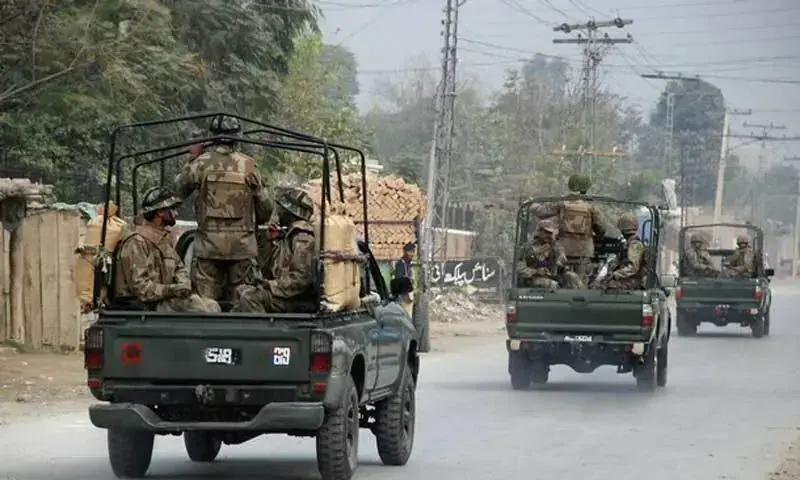
The recent murder of five workers from Punjab in Mashkel highlights the ongoing threat of ethnic violence in Balochistan's unstable security environment. Terrorist groups continue to exploit ethnic divisions, perpetuating insecurity despite counterterrorism efforts. Since early July, security forces have reported killing 109 terrorists, yet these tactical victories have not yielded lasting security for civilians. The targeted killing of Punjabis is a recurring issue, with individuals identified by their origin being singled out on highways or at workplaces. Such attacks exacerbate ethnic tensions and instill fear among minority groups. Perpetrators who incite hatred or justify these acts only contribute to instability, deter investment, and harm the communities they claim to support. Addressing this violence requires more than just crackdowns; it necessitates improved intelligence, more effective policing, and enhanced inter-agency coordination. Dismantling the networks and support systems that enable these attacks, alongside legal prosecution of those responsible, is crucial. However, security operations alone are insufficient for enduring stability. The underlying political, economic, and governance issues fueling alienation in Balochistan must also be addressed to achieve long-term peace. Violence against ordinary people is never acceptable, and both the people of Balochistan and migrant workers deserve peace, development, and the rule of law. Until ethnic killings are stopped and the root causes of conflict are resolved, claims of lasting stability in the province will remain questionable.
The persistent ethnic targeting in Balochistan, despite significant counterterrorism operations, suggests a disconnect between security force actions and the underlying drivers of conflict. While tactical successes against militant groups are reported, the continued exploitation of ethnic fault lines by non-state actors indicates that broader socio-political and economic grievances may be fueling alienation and providing fertile ground for recruitment or support. Addressing these deeper issues, including governance deficits and perceived marginalization, is essential for any sustainable peace strategy. The cycle of violence, exacerbated by ethnic divisions, not only deters development but also undermines the legitimacy of state institutions. Future stability will likely depend on a comprehensive approach that integrates security measures with genuine efforts to address the root causes of discontent and foster inclusive governance.
AI-generated to prompt reflection — not editorial opinion, not advice, not a statement of fact. How this works.