EU Accuses China and Russia of Reshaping Global Order in New Strategy Paper
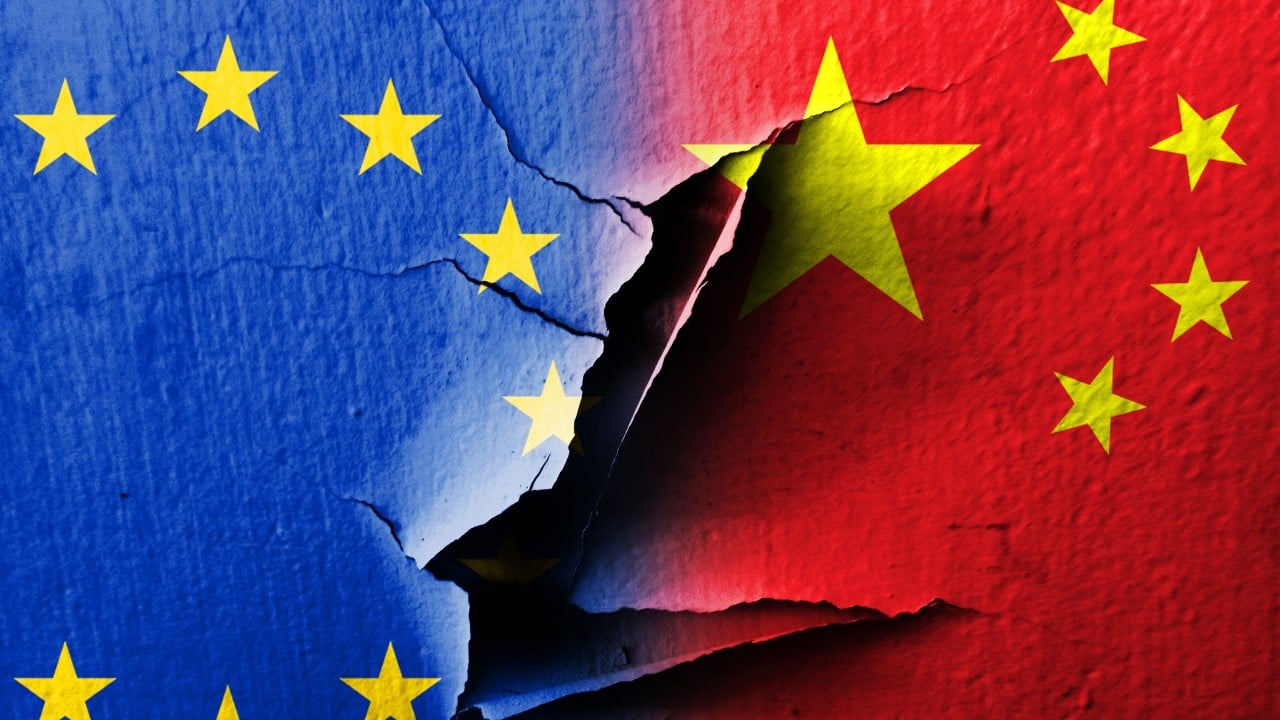
The European Union has released a strong new position paper accusing China and Russia of attempting to "reshape the global order in line with their interests." The document, adopted by the EU's 27 foreign ministers on Monday, criticizes Beijing for fostering a "return to a sphere-of-influence logic." It also identifies China as a "key enabler" and "crucial enabler" of Russia's ongoing war in Ukraine. This represents some of the bloc's most direct and forceful official criticism of Beijing to date. The paper outlines a comprehensive strategy for the EU to navigate its relationship with China, acknowledging the country as a partner, competitor, and systemic rival simultaneously. The EU aims to bolster its own resilience and strategic autonomy in response to these geopolitical shifts. The strategy emphasizes strengthening the EU's own capabilities and partnerships to better address global challenges and uphold its values. The document signals a more assertive stance from the EU on the international stage.
This EU strategy paper signals a significant recalibration of the bloc's approach to China, moving beyond purely economic considerations to address perceived geopolitical challenges. By framing China as a systemic rival alongside its roles as a partner and competitor, the EU is attempting to articulate a more nuanced and potentially assertive foreign policy. The accusation of reshaping the global order and fostering spheres of influence suggests a concern that China's actions, particularly in relation to Russia's invasion of Ukraine, are undermining established international norms and institutions. The EU's focus on bolstering its own resilience and strategic autonomy indicates a recognition of the need for greater self-reliance in an increasingly multipolar and competitive international environment. This strategic shift may lead to increased scrutiny of China's global initiatives and a more coordinated approach among EU member states to counter perceived threats to the existing international system.
AI-generated to prompt reflection — not editorial opinion, not advice, not a statement of fact. How this works.