EU Acknowledges Airport Delays Due to New Border Control System
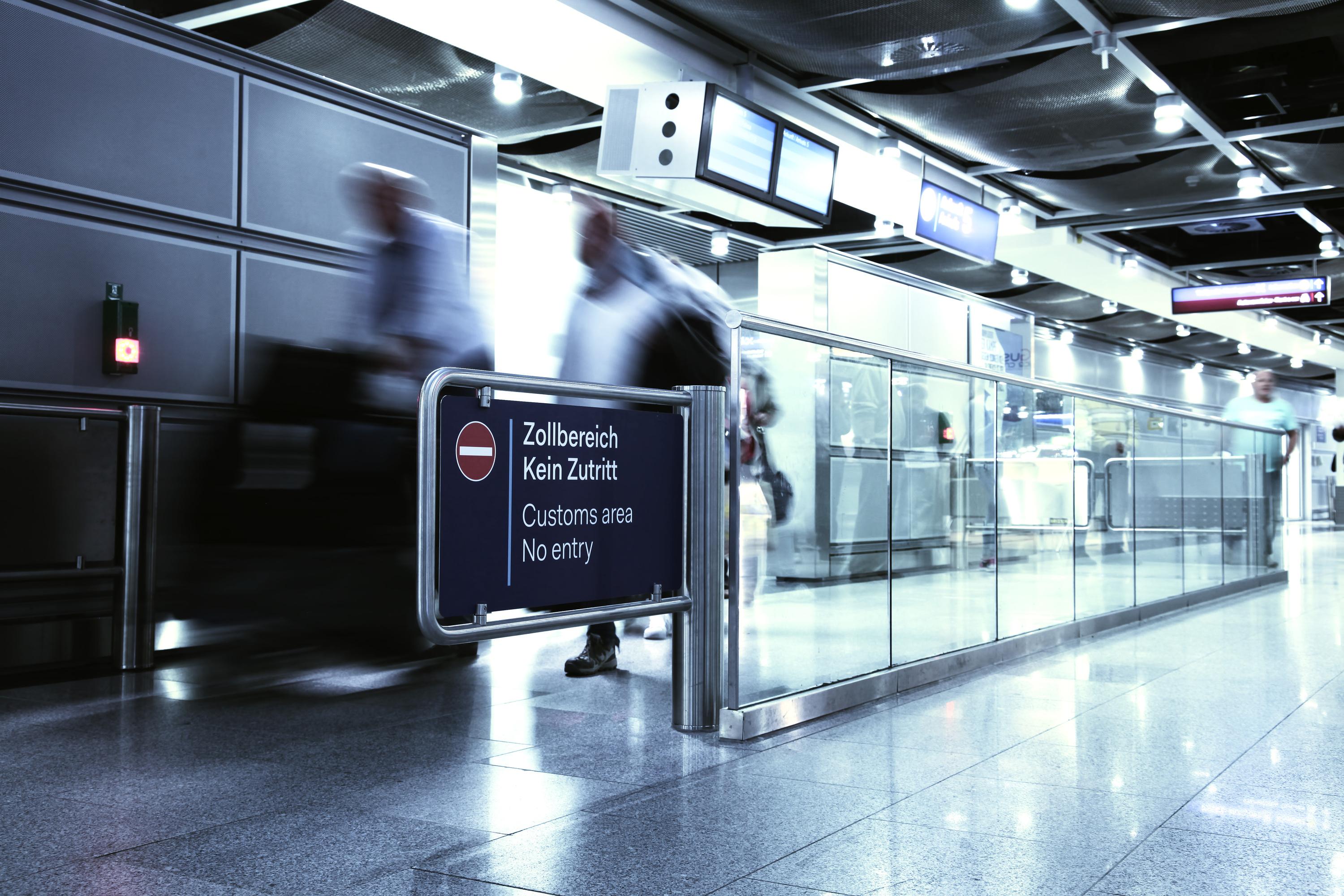
The European Union has launched a new system for registering non-EU travelers entering its territory, which was implemented in the fall. However, airlines report that this new system is causing significant border queues, with wait times now reaching up to five hours during peak periods. The EU has acknowledged that there is "much to do" to resolve these issues and eliminate airport queues. This new registration process aims to enhance border security and streamline entry for legitimate travelers, but its current implementation has led to substantial disruptions and frustration for passengers. Efforts are underway to optimize the system and reduce processing times to prevent further travel chaos.
The implementation of new border control systems, while intended to bolster security, has demonstrably introduced significant operational friction, as evidenced by the extensive airport queues. This situation highlights a common challenge in large-scale technological rollouts: the gap between initial design and real-world performance, particularly under high-volume conditions. Future iterations will likely need to prioritize not only security efficacy but also throughput and passenger experience, potentially through enhanced automation, better resource allocation, or phased implementation strategies. The long-term success of such systems hinges on their ability to balance these competing demands within the evolving landscape of global travel and digital identity verification.
AI-generated to prompt reflection — not editorial opinion, not advice, not a statement of fact. How this works.