EU Adopts 21st Sanctions Package Against Russia, Targeting Energy, Finance, and Crypto
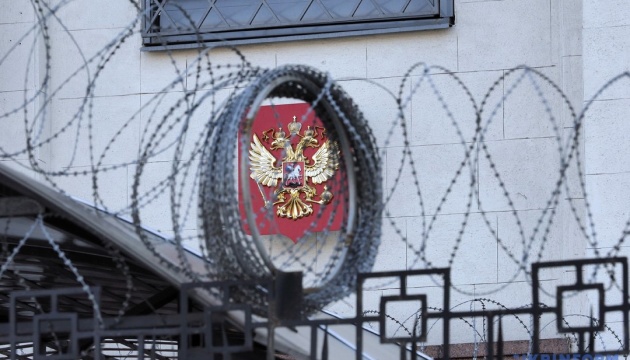
The Council of the European Union has approved its 21st package of restrictive measures against the Russian Federation. This action is a direct response to Russia's ongoing military aggression against Ukraine. The newly implemented sanctions specifically target key sectors of the Russian economy. These include the energy sector, the financial industry, and the provision of cryptocurrency services. The EU aims to further isolate Russia economically and limit its capacity to fund its military operations. This latest package represents a continued effort by the European Union to exert pressure on Moscow through economic and financial means. The specific details of the measures within the energy, finance, and crypto sectors are expected to be elaborated upon further.
The European Union's decision to enact a 21st sanctions package against Russia demonstrates a sustained commitment to leveraging economic pressure as a geopolitical tool. By targeting the energy, financial, and cryptocurrency sectors, the EU is attempting to disrupt Russia's revenue streams and its ability to engage in international financial transactions. This approach reflects a broader trend of nations employing economic statecraft to influence the behavior of adversaries. The long-term effectiveness of such measures will depend on their comprehensiveness, enforcement, and the resilience of the targeted economy, as well as the potential for circumvention or the development of alternative economic partnerships by Russia. Future developments may reveal the extent to which these sanctions contribute to a strategic shift in the conflict or necessitate further adjustments in global economic governance.
AI-generated to prompt reflection — not editorial opinion, not advice, not a statement of fact. How this works.