EU Agrees on 21st Sanctions Package Against Moscow After Revisions
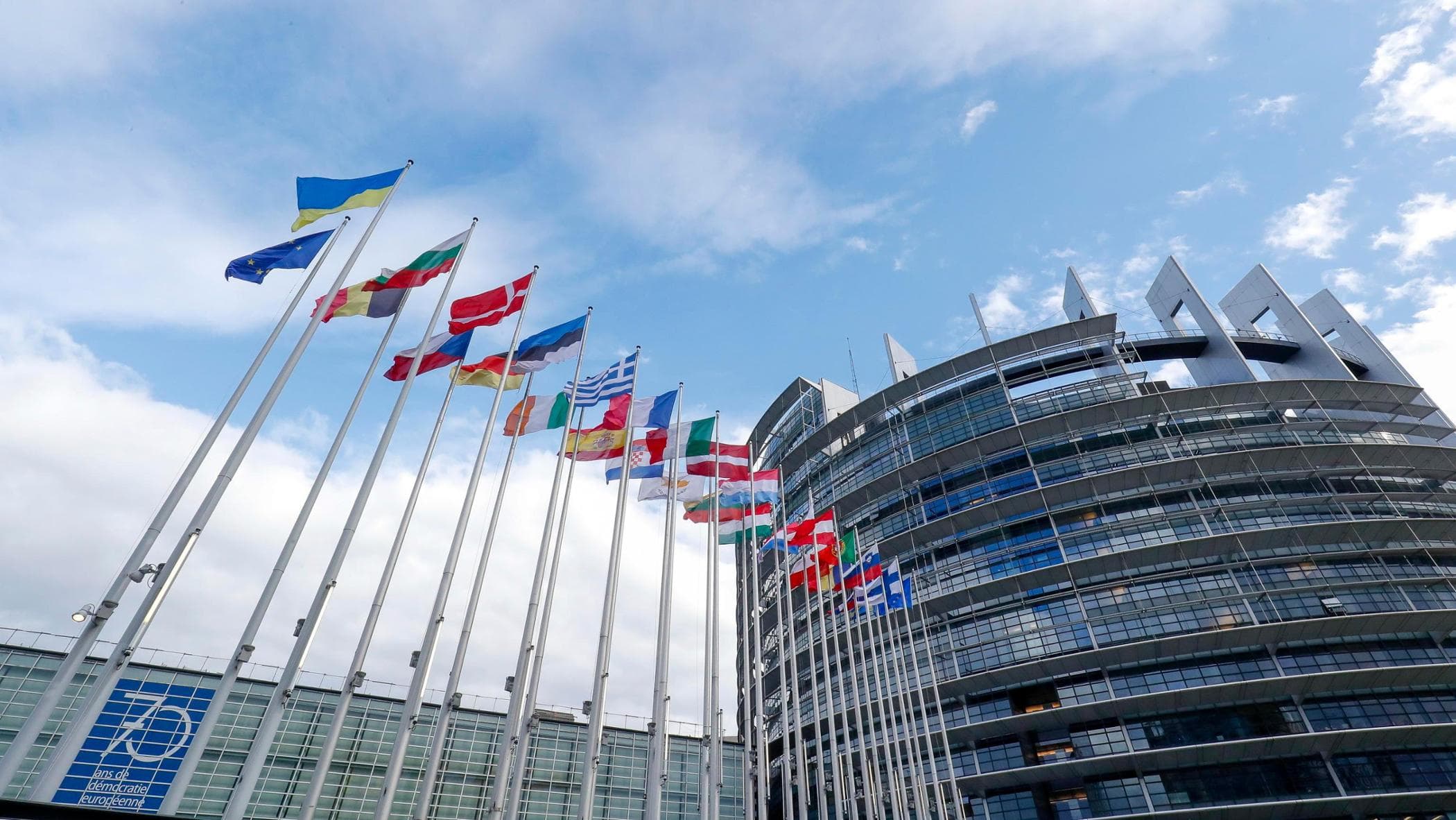
The European Union has reached an agreement to approve its twenty-first package of sanctions against Moscow. The decision follows several modifications made to the proposed measures. The formalization of this new sanctions package is expected to occur tomorrow. This development marks a continuation of the EU's efforts to impose economic restrictions on Russia. The specific details of the approved sanctions have not yet been released, but the agreement signifies a unified stance among member states. The process involved adjustments to address concerns or feedback from individual countries. The EU has consistently utilized sanctions as a tool in response to geopolitical events involving Russia. This latest package will add to the existing measures already in place.
The European Union's decision to approve a twenty-first sanctions package against Moscow, following revisions, indicates a sustained commitment to utilizing economic pressure as a foreign policy instrument. The iterative process of modification suggests a complex negotiation landscape among member states, balancing collective geopolitical objectives with national economic considerations. The eventual formalization points to a consensus being achieved, underscoring the EU's capacity for coordinated action, albeit through a deliberative and sometimes protracted process. Looking ahead, the efficacy of such cumulative sanctions regimes will increasingly be assessed against evolving global economic dynamics and Russia's adaptive strategies, particularly in the context of a multipolar world and the ongoing technological shifts that define the current era.
AI-generated to prompt reflection — not editorial opinion, not advice, not a statement of fact. How this works.