EU Agriculture Poised for New Foods: Allergen-Free Tomatoes, Celiac-Safe Wheat
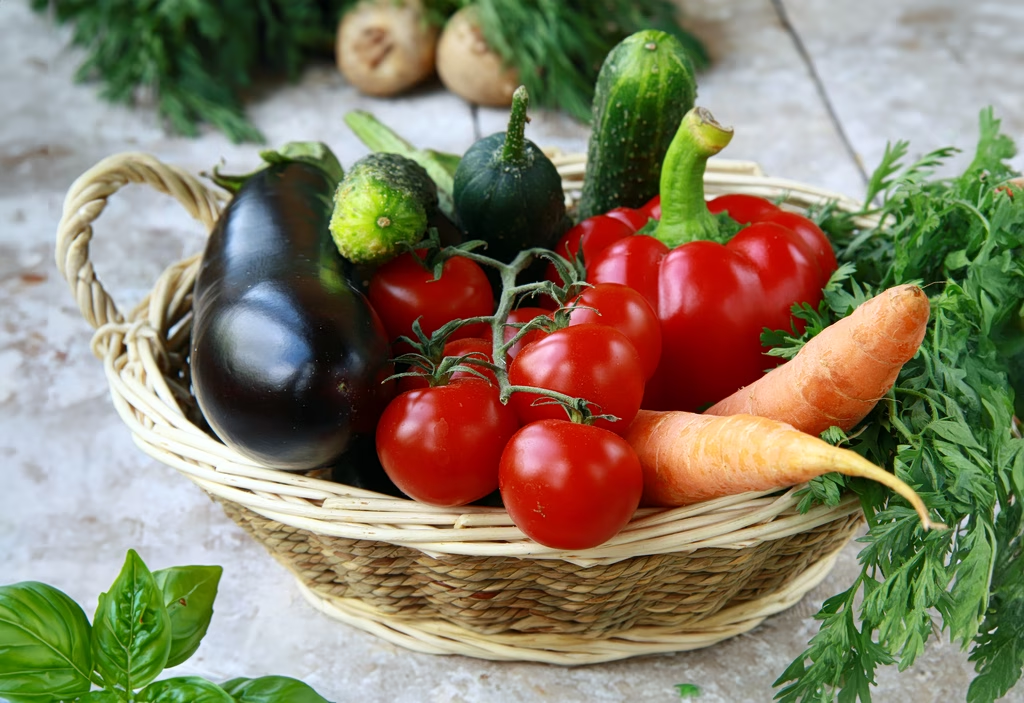
A significant shift in European Union agricultural policy is paving the way for a new generation of foods. The European Parliament has approved changes that could lead to allergen-free tomatoes, wheat suitable for individuals with celiac disease, and vegetables that resist browning when cut. This policy update also aims to foster crops with increased resilience to drought and diseases.
These advancements are expected to transform the European food landscape, offering consumers safer and more robust food options. The development of these novel food products is a direct result of updated agricultural regulations within the EU, signaling a move towards more innovative and health-conscious food production. The potential benefits extend beyond consumer health to agricultural sustainability.
The European Parliament's recent policy shift signals a strategic pivot towards leveraging biotechnology and genetic innovation within the agricultural sector. By potentially easing restrictions on genetically modified or edited crops, the EU is balancing its commitment to consumer safety with the pursuit of enhanced food security and nutritional value. This move could address specific health needs, such as celiac disease and allergies, while also improving crop resilience in the face of climate change. The long-term impact will depend on public acceptance, regulatory oversight, and the equitable distribution of these advanced agricultural technologies across member states, ensuring that the benefits are broadly shared and potential risks are rigorously managed.
AI-generated to prompt reflection — not editorial opinion, not advice, not a statement of fact. How this works.