EU Ambassador Rokas: Electoral Code is Good, Parties Must Reach Consensus
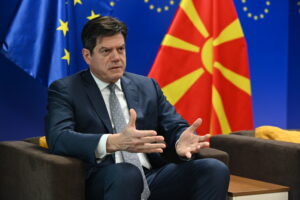
European Union Ambassador Michalis Rokas has stated that the Electoral Code has received positive assessments from both the OSCE Office for Democratic Institutions and Human Rights (ODIHR) and the European Commission. However, he emphasized that the adoption of the code must be the result of a political agreement among the parties. Rokas noted that discussions are ongoing regarding specific modalities for the stalled amendments, which are part of a reform package linked to the European Union's agenda. He indicated that while the code itself is considered good, the legislative process requires broader political consensus to move forward. The ambassador's remarks highlight the importance of inter-party cooperation in advancing key reforms crucial for the country's European integration path. The ongoing dialogue aims to bridge differences and finalize the necessary legislative changes.
The EU's endorsement of the Electoral Code suggests its alignment with democratic standards and European integration objectives. However, the dependency on political consensus for its adoption underscores a common challenge in many legislative environments: the potential for partisan interests to impede progress on universally beneficial reforms. This situation highlights the tension between technical merit and political will, where institutional mechanisms for reform can be stalled by the need for broad agreement. Future legislative frameworks may need to incorporate more robust mechanisms to ensure timely implementation of agreed-upon reforms, even when faced with political divergence, to maintain momentum towards stated goals like EU accession.
AI-generated to prompt reflection — not editorial opinion, not advice, not a statement of fact. How this works.