EU Ambassador Rokas Hopes for Consensus on Electoral Code Amendments Today
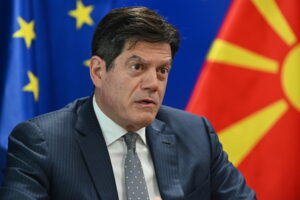
European Union Ambassador Michalis Rokas expressed his hope that political parties will reach a consensus on amendments to the Electoral Code on the current day. This agreement is a commitment stemming from the Reform Agenda. Rokas emphasized the urgency, noting that it was the final day for achieving consensus among the political parties. He indicated that a compromise is expected, based on his information that the coordinators of the political parties were engaged in discussions. The ambassador's statement highlights the importance of these amendments for the country's reform process and democratic institutions. The outcome of these negotiations is crucial for aligning electoral practices with established European standards and ensuring a transparent and fair electoral system. The expectation is that political will and a spirit of compromise will prevail to finalize these significant legislative changes.
The call for consensus on electoral law amendments by Ambassador Rokas underscores the external influence on domestic legislative processes, particularly concerning adherence to reform commitments. The emphasis on a 'final day' suggests a deadline-driven approach, potentially creating pressure for compromise. From a governance perspective, the reliance on party coordinators highlights the centralized nature of decision-making within the political system. The situation prompts consideration of how external pressure and internal political dynamics interact to shape legislative outcomes, and whether such externally influenced deadlines foster genuine reform or merely procedural compliance. Future electoral integrity may depend on establishing robust, internally driven consensus-building mechanisms that are less susceptible to time constraints and external urgencies.
AI-generated to prompt reflection — not editorial opinion, not advice, not a statement of fact. How this works.