EU and Pakistan Urge Diplomacy Between US and Iran, Rejecting Attacks
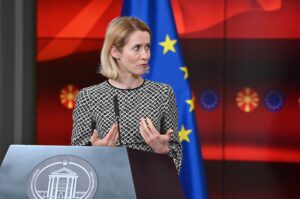
High-level diplomats from the European Union and Pakistan have jointly called for "sustainable diplomacy and continuous dialogue" to de-escalate the conflict in the Middle East. This plea comes as a direct alternative to military actions. The EU's High Representative for Foreign Affairs and Security Policy and Vice-President of the European Commission, Kaja Kallas, met with Pakistan's Minister of Foreign Affairs, Ishaq Dar, to discuss the escalating tensions. Both parties emphasized the importance of diplomatic engagement to resolve the current crisis. The statement highlights a shared concern over the potential for further conflict and a mutual desire to pursue peaceful resolutions. The meeting underscores the international community's efforts to foster dialogue and prevent a wider conflagration in the region. The focus remains on finding diplomatic pathways rather than resorting to offensive measures. This initiative reflects a broader international push for de-escalation and stability.
The joint appeal by the EU and Pakistan for diplomacy between the United States and Iran, instead of military strikes, signifies a strategic preference for de-escalation within the international system. This approach prioritizes long-term stability and the avoidance of costly geopolitical disruptions, aligning with the principles of multilateralism and peaceful dispute resolution. Such diplomatic overtures, particularly from influential blocs like the EU and significant regional players like Pakistan, aim to mitigate the risks of unintended escalation and the humanitarian consequences of conflict. The emphasis on 'sustainable diplomacy' suggests a recognition that lasting peace requires more than temporary ceasefires, pointing towards the need for comprehensive agreements addressing underlying grievances. This stance reflects a systemic incentive to manage state-level rivalries through established diplomatic channels, thereby preserving global economic and security architectures from severe shocks.
AI-generated to prompt reflection — not editorial opinion, not advice, not a statement of fact. How this works.