EU and UEFA Criticize FIFA for Overturning US Player's Red Card
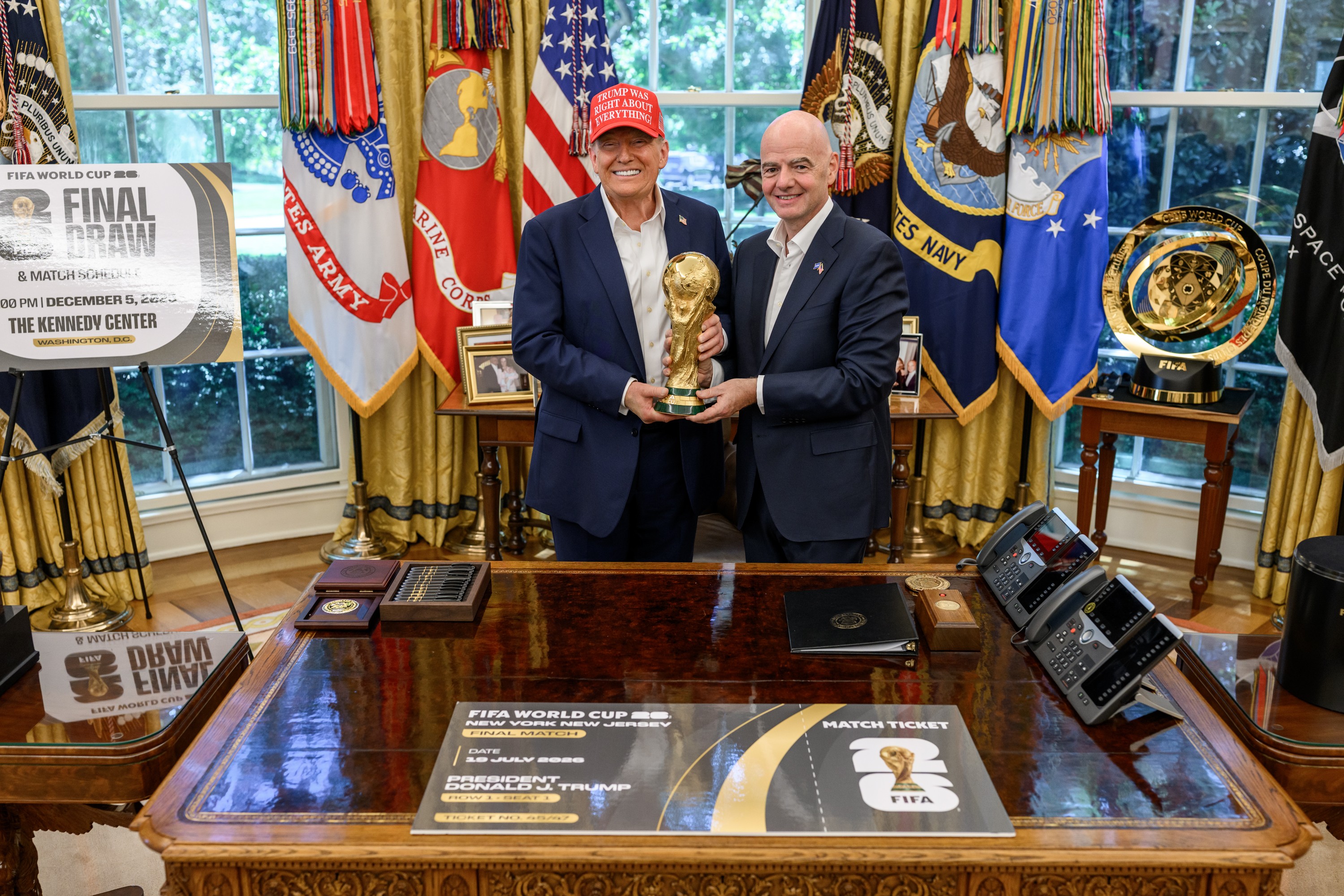
The European Union and UEFA, the Union of European Football Associations, have criticized FIFA for revoking a red card issued to US player Folarin Balogun during a recent World Cup match. European Commissioner for Sport, Glenn Micallef, stated that sports decisions should remain with sporting bodies, not politicians, following reports of potential US President Donald Trump's intervention. Micallef emphasized that influencing sports decisions undermines the autonomy of sport and highlighted the need to address governance challenges, including the politicization of sports. UEFA, in a statement, expressed disbelief, calling the decision "unprecedented, incomprehensible, and unjustifiable" and warning that it jeopardizes the integrity and credibility of the competition when rule certainty is compromised. US President Donald Trump reportedly contacted FIFA President Gianni Infantino to understand the reasoning behind Balogun's red card, which would have made him miss the match against Belgium. A US official indicated that additional evidence was provided for the appeal process, which is handled by an independent board. The red card was issued by referee Raphael Claus in the 18th minute of the second half for a stomp on an opponent's ankle. President Trump publicly thanked FIFA for reversing what he termed a "great injustice." US coach Mauricio Pochettino also celebrated the decision, calling the original red card "completely unjust" and believing most people agreed. Balogun's suspension was converted into a one-year probationary period, meaning he will face automatic sanction if he commits another serious offense within that year. FIFA's Disciplinary Committee invoked Article 27 of its Disciplinary Code, allowing for the suspension of disciplinary measures. The Belgian Football Association also expressed surprise and disagreement, citing FIFA's own regulations that mandate automatic suspension for red cards and stating that this decision contradicts established rules and prior FIFA circulars. The Belgian federation is reportedly exploring its options in response to the ruling.
This event highlights a complex intersection of sporting regulations, political influence, and institutional governance. The criticism from the EU and UEFA suggests a concern that FIFA's decision, potentially influenced by external political pressure, may set a precedent that erodes the autonomy of sports governing bodies. The Belgian FA's objection, rooted in specific articles of FIFA's disciplinary code, points to a potential inconsistency in rule application, raising questions about fairness and predictability in competition. The probationary measure for Balogun, while allowing him to play, introduces a novel disciplinary framework that deviates from standard automatic suspensions for red cards. This situation underscores the ongoing challenge for international sports organizations to balance the need for consistent rule enforcement with the pressures of political and public opinion, particularly in high-profile events like the World Cup. The long-term implications could involve increased scrutiny of FIFA's decision-making processes and a potential re-evaluation of its disciplinary procedures to ensure greater transparency and adherence to established regulations.
AI-generated to prompt reflection — not editorial opinion, not advice, not a statement of fact. How this works.