EU and Ukraine accuse Russia of blocking independent observers in occupied areas
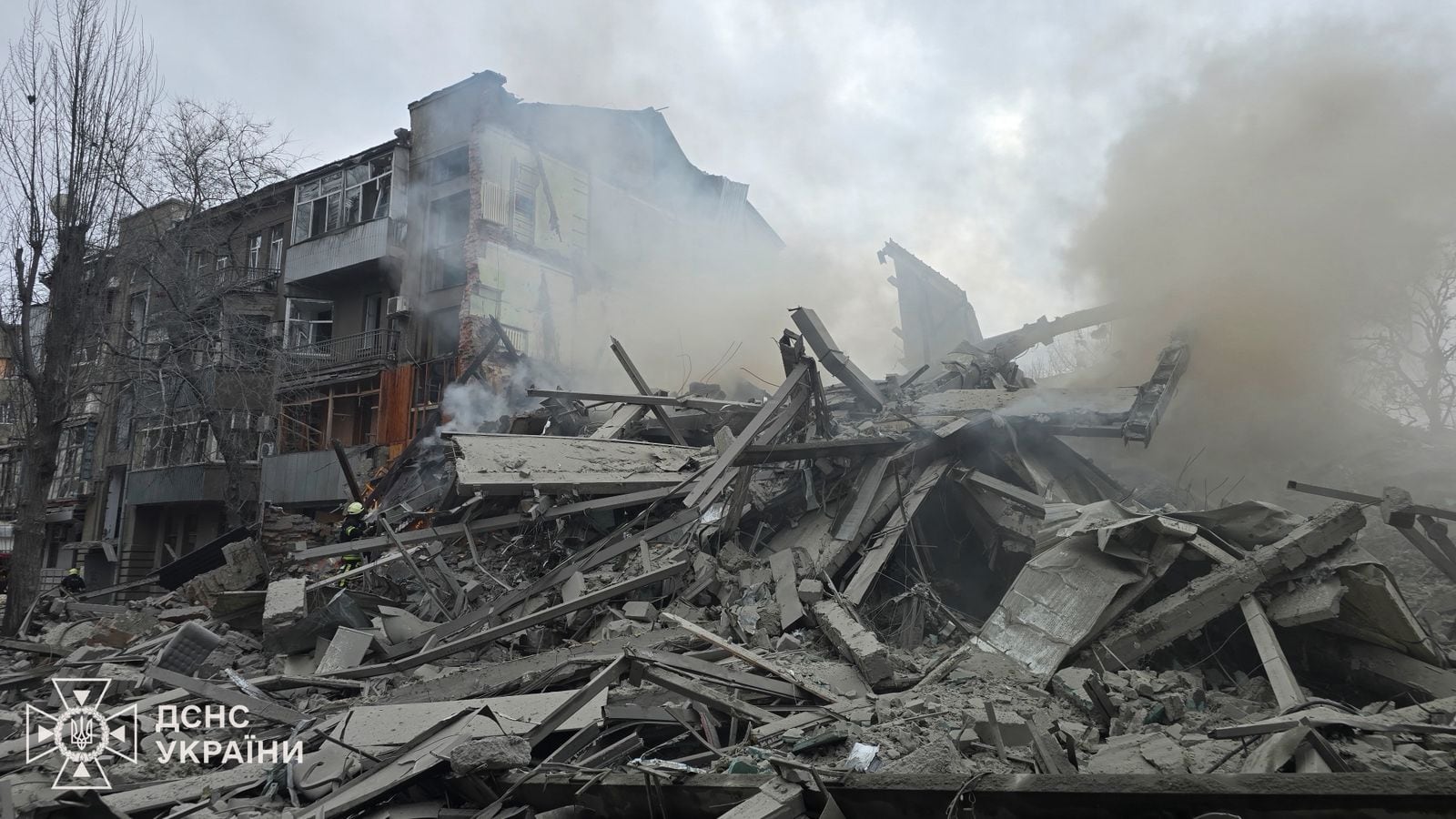
The European Union and Ukraine have accused Russia of preventing independent observers from accessing occupied territories. The EU's High Representative for Foreign Policy also questioned Russia's continued refusal to confirm the identity and fate of Ukrainian citizens who are imprisoned or have been reported missing. This stance by Russia raises concerns about transparency and accountability regarding the treatment of individuals in occupied zones. The international community is seeking clarity on the situation of these detained and disappeared Ukrainians. The lack of access for independent observers further complicates efforts to verify conditions and ensure human rights are upheld in these areas. The EU and Ukraine are calling for Russia to cooperate and provide necessary information.
The EU and Ukraine's accusations highlight a potential information vacuum in occupied territories, which can obscure accountability for human rights. Russia's alleged obstruction of independent observers and its reticence regarding detained or missing persons raise questions about governance and adherence to international norms. From a systemic perspective, such actions can erode trust in conflict resolution processes and create fertile ground for misinformation. In the coming decade, characterized by increased scrutiny through advanced monitoring technologies and global interconnectedness, states will face greater pressure to ensure transparency in areas under their control. The international community's response will likely focus on mechanisms that enhance verification and uphold humanitarian principles, irrespective of geopolitical complexities.
AI-generated to prompt reflection — not editorial opinion, not advice, not a statement of fact. How this works.