EU Approves Less Ambitious Sanctions on Russia After Greek Influence
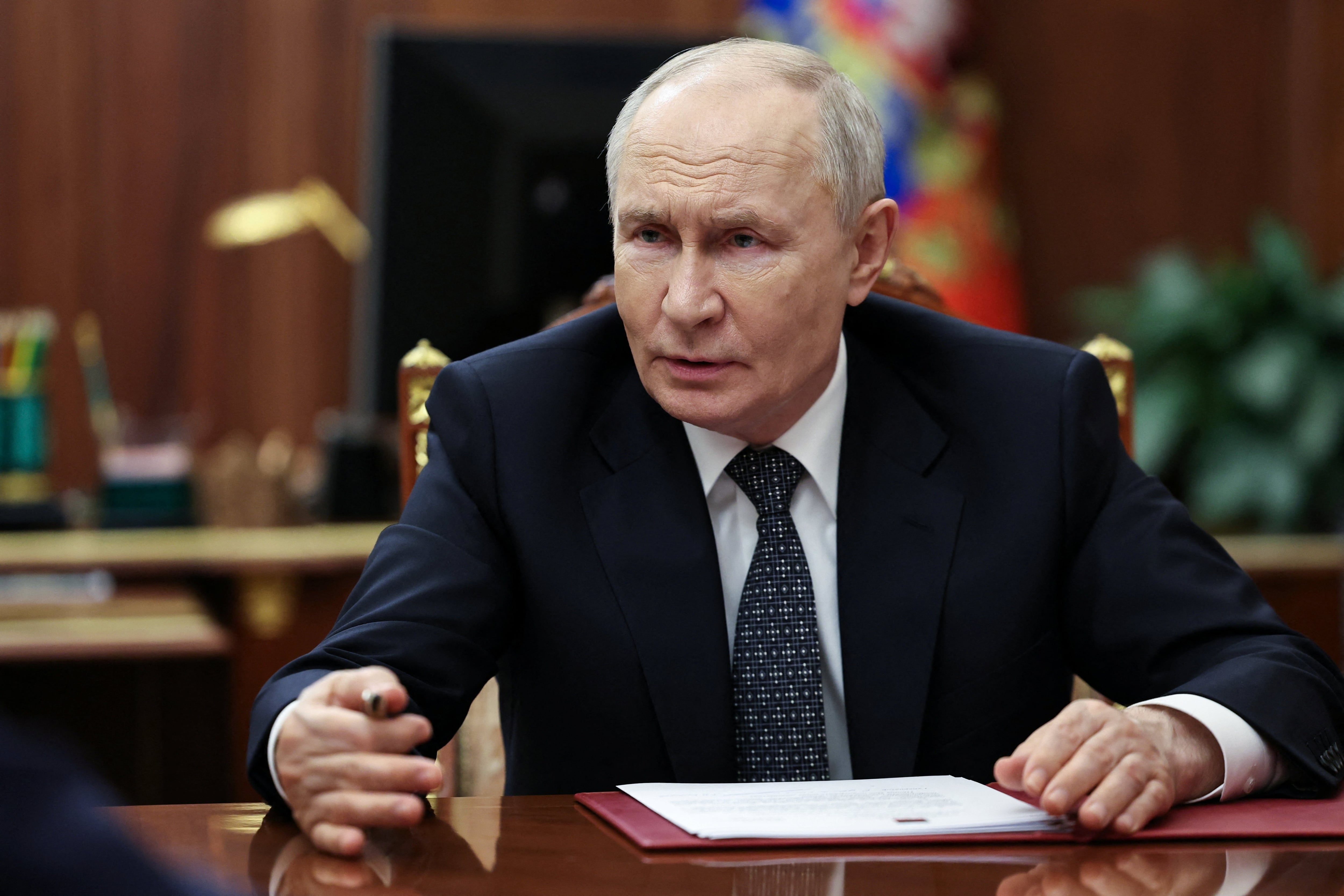
The European Union has approved a package of sanctions against Russia that is less ambitious than initially planned, following significant influence from Greece. Brussels agreed to include an exemption to the ban on transporting Russian liquefied natural gas (LNG). This exemption is specifically designed to benefit a large Greek company, demonstrating Greece's leverage within the EU. The decision highlights the challenges in achieving unanimous consensus among member states on stringent sanctions against Russia. While the EU aims to exert economic pressure, the inclusion of such carve-outs suggests a balancing act between collective action and the specific economic interests of individual member nations. The final sanctions package, therefore, reflects a compromise that may dilute the overall impact on Russia's energy sector.
The EU's decision to modify its sanctions package on Russia, incorporating an exemption for Greek LNG transport, illustrates the complex interplay between geopolitical objectives and national economic interests within the bloc. While the EU strives for unified pressure on Russia, the need to accommodate specific member state concerns, such as those of Greece concerning its significant shipping and energy interests, can lead to diluted measures. This dynamic suggests that the effectiveness of future EU sanctions may continue to be negotiated against the backdrop of diverse economic dependencies and strategic priorities among member states. The long-term implications involve assessing whether such compromises ultimately undermine the EU's credibility and its ability to project unified economic power in international relations, particularly in the evolving geopolitical landscape of the next decade.
AI-generated to prompt reflection — not editorial opinion, not advice, not a statement of fact. How this works.