EU Ban on Destroying Unsold Goods to Reshape Global Fashion Industry
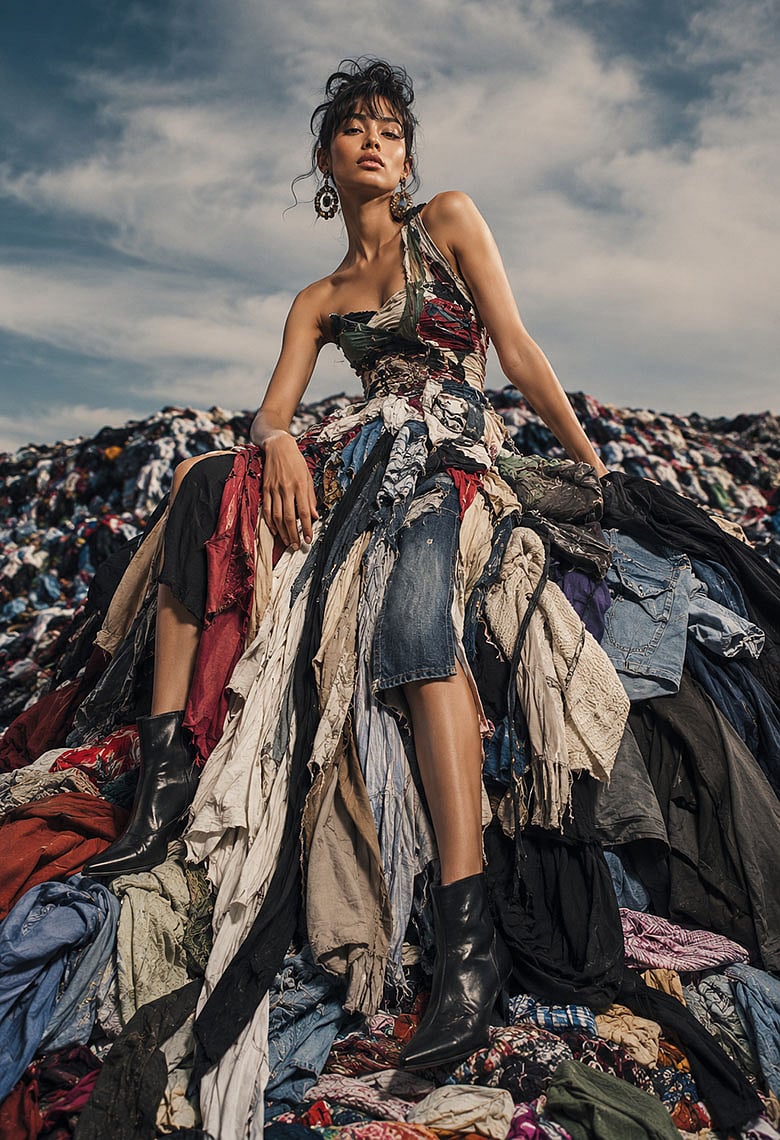
The European Union has initiated a significant shift in the fashion industry by implementing a ban on the destruction of unsold clothing and footwear. This new legislation is poised to alter global supply chains and business strategies, creating a new reality for the ready-made garment industry in Bangladesh. The directive aims to promote a more sustainable and circular economy within the fashion sector. By prohibiting the disposal of excess inventory, the EU seeks to reduce waste and encourage brands to find alternative uses for their products. This move is expected to have far-reaching implications for manufacturers and retailers worldwide. For Bangladesh, a major exporter of ready-made garments, adapting to these new regulations will be crucial. The country's garment sector will need to explore new business models that prioritize reuse, repair, and recycling of textiles. This regulatory change underscores a growing global trend towards environmental responsibility in consumer goods industries. The long-term impact will likely involve greater transparency in supply chains and a re-evaluation of production volumes to minimize waste.
The European Union's directive against destroying unsold fashion goods introduces a significant systemic pressure towards circularity. This policy shift challenges traditional linear business models reliant on planned obsolescence and high-volume production. For the global fashion industry, particularly export-oriented economies like Bangladesh, this necessitates a strategic pivot. Companies will face increased incentives to invest in resale platforms, repair services, and advanced recycling technologies. The underlying economic logic shifts from maximizing sales volume to optimizing resource utilization and product lifecycle management. Over the next decade, this could foster innovation in material science and supply chain logistics, while potentially creating new market segments focused on sustainability. The challenge lies in balancing environmental goals with economic viability and ensuring a just transition for workers in existing manufacturing frameworks.
AI-generated to prompt reflection — not editorial opinion, not advice, not a statement of fact. How this works.