EU Bans Luxury Brands From Destroying Unsold Goods, Threatening Exclusivity Model
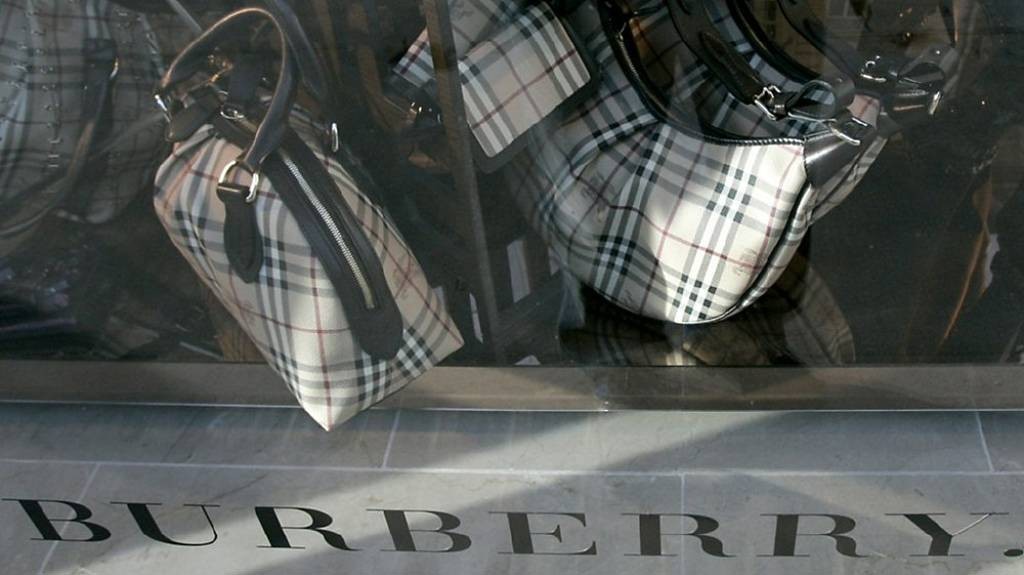
The European Union has introduced new regulations prohibiting major companies operating within its borders from destroying unsold clothing, footwear, and accessories. This directive aims to address significant environmental waste, as an estimated 4% to 9% of textiles placed on the EU market, totaling between 264,000 and 600,000 tons annually, are discarded before use. The new rules mandate that brands must find alternative destinations for these items, such as selling them through liquidation channels, donating them to charities, or engaging in repair, refurbishment, or material recycling. Destruction will only be permitted in specific circumstances, like when products are damaged, pose risks, or are counterfeit.
This regulation challenges the long-standing business model of the luxury industry, which has historically relied on destroying unsold inventory to maintain product rarity, exclusivity, and high price points. Practices like Burberry burning €31 million worth of merchandise in 2018 and Coach cutting up unsold bags in 2021 highlight this issue. Luxury brands are concerned that being forced to channel more products into secondary markets could dilute their image and perceived value. Companies like LVMH, Chanel, and Prada are approaching the regulation cautiously due to these potential impacts on brand perception.
To adapt, luxury firms must rethink their inventory management. Options include longer-term storage, which incurs additional logistical and insurance costs, or expanding controlled resale channels. Many brands are already investing in their own pre-owned or refurbished item programs. A more proactive strategy involves reducing production volumes and improving demand forecasting, though accurately predicting fashion trends remains a challenge. The core task for luxury brands is now to preserve their products' perceived scarcity and value without resorting to destruction, marking a significant shift for an industry accustomed to making excess inventory disappear.
The EU's new regulation on destroying unsold luxury goods signals a pivotal shift from a model prioritizing artificial scarcity to one embracing circular economy principles. While ostensibly an environmental measure, it also forces a re-evaluation of value creation in the luxury sector, moving beyond mere product rarity. Brands must now innovate in inventory management, resale, and potentially on-demand production, balancing traditional exclusivity with broader sustainability imperatives. This transition may reveal underlying inefficiencies in forecasting and supply chain management within the luxury market, potentially leading to more resilient and transparent business models over the next decade. The challenge lies in adapting brand narratives to encompass responsible stewardship without diminishing aspirational appeal.
AI-generated to prompt reflection — not editorial opinion, not advice, not a statement of fact. How this works.