EU Blames Social Media Disinformation for Ceuta Migration Crisis Severity
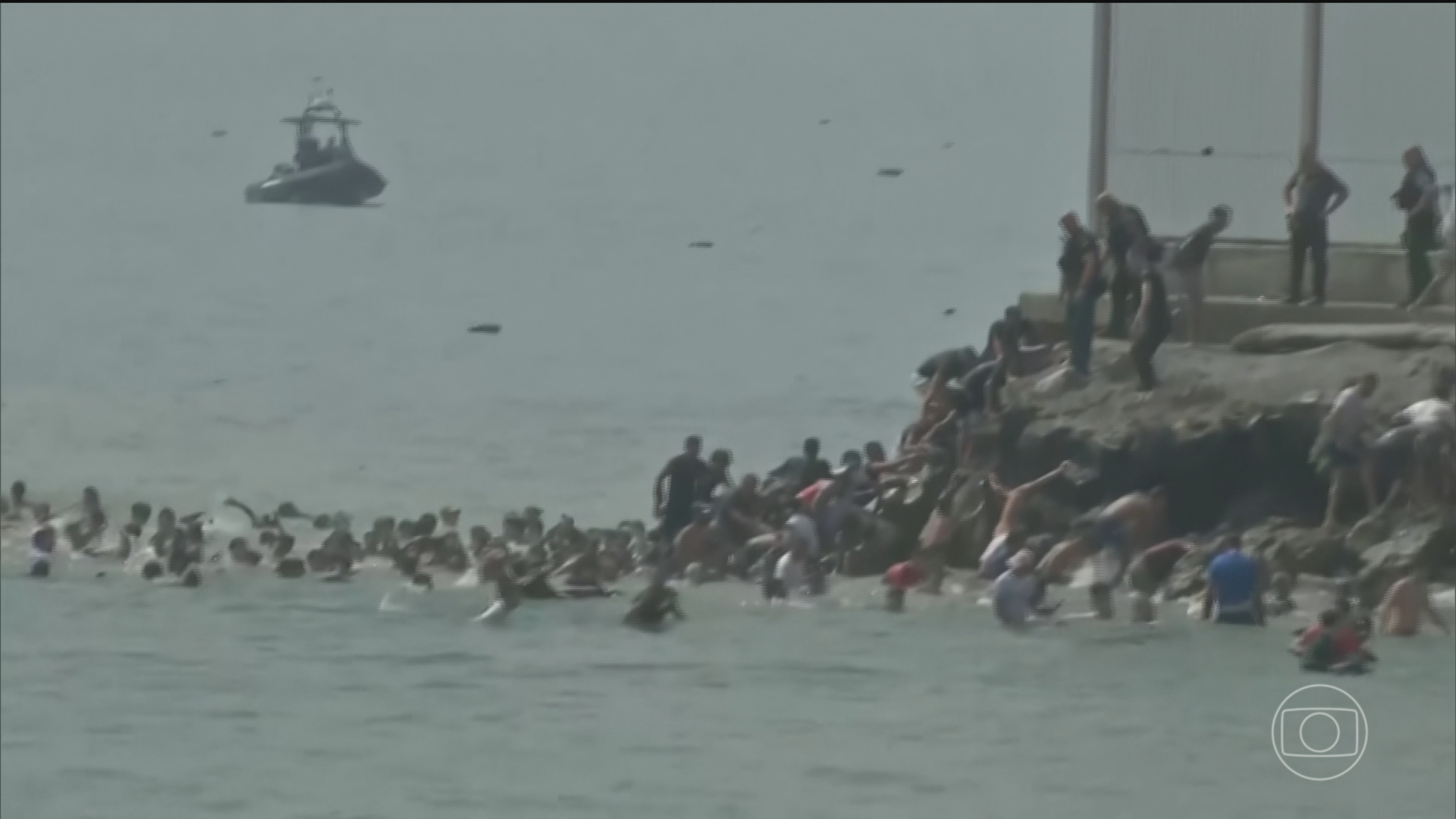
The European Union held an emergency meeting on Tuesday, April 4th, to address the immigration crisis in the Spanish territory of Ceuta. EU officials attributed the severity of the situation to a disinformation campaign spread through social media. The virtual meeting was convened at the request of Spain and over 20 other European nations. Spanish Interior Minister Fernando Marlaska reported that out of 72,000 immigrants who entered Ceuta illegally, 70,000 have already departed. He emphasized that the Schengen Area, a zone of free movement comprising 29 European countries, was not compromised by this crisis. European Commissioner for Migration, Magnus Brunner, stated there was no direct link between this event and Spain's plan to regularize half a million immigrants. Brunner indicated that the migratory wave was fueled by human trafficking networks and fake news on social media, with many immigrants receiving messages and videos suggesting Spain's borders were open. The meeting concluded without concrete measures, serving primarily as a political demonstration of unity amidst the crisis's politicization. Approximately 2,000 immigrants remain camped on Ceuta's beaches, half of whom are minors. The Spanish government has allocated 25 million euros to assist unaccompanied minors and updated the death toll during the crossing to 141, with some individuals still missing.
The recent influx of migrants into Ceuta, exacerbated by alleged social media disinformation campaigns, highlights a critical vulnerability in border management and information ecosystems. The EU's response, while emphasizing unity, lacked concrete policy outcomes, suggesting a gap between political rhetoric and actionable strategies. The crisis underscores the complex interplay between human trafficking networks, digital communication, and migration pressures. Future policy must address the root causes of migration while simultaneously developing robust mechanisms to counter disinformation and protect vulnerable populations, particularly unaccompanied minors. The incident also raises questions about the efficacy of the Schengen Area's external border controls and the need for coordinated digital governance to mitigate the impact of online misinformation on real-world events.
AI-generated to prompt reflection — not editorial opinion, not advice, not a statement of fact. How this works.
