EU Boosts Philippines Maritime Aid to $17 Million, Expanding Indo-Pacific Security Role
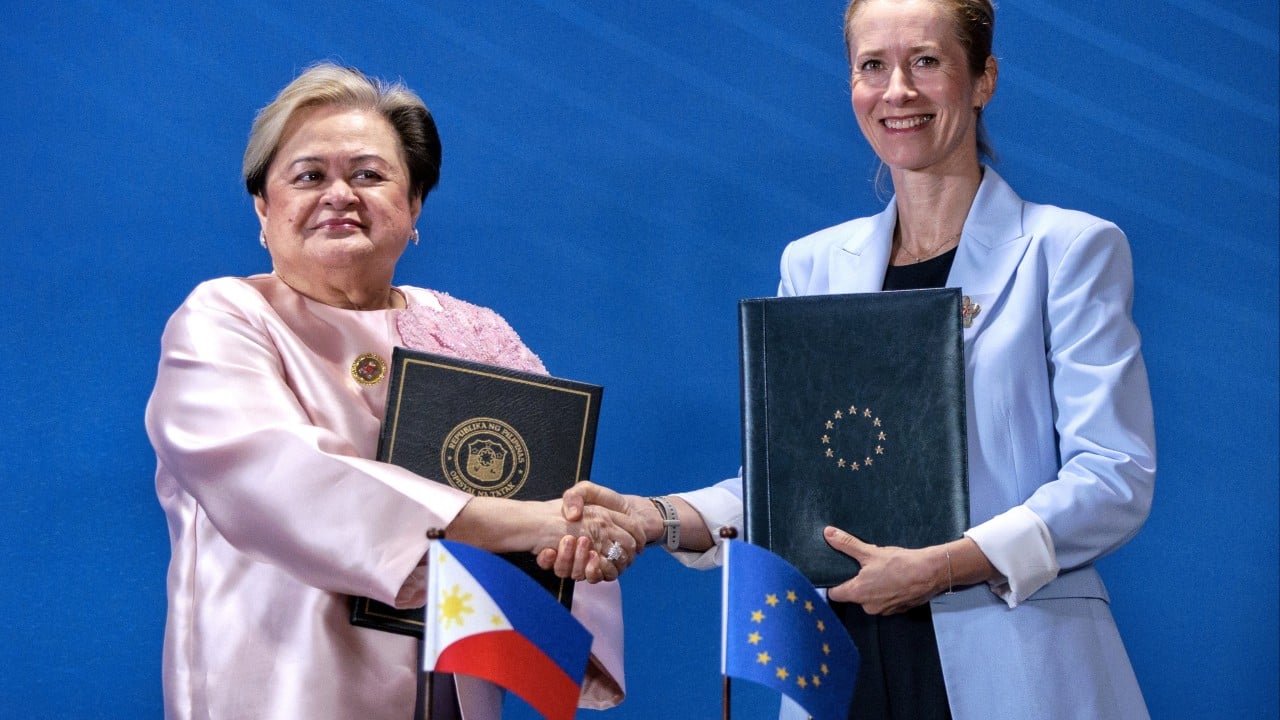
The European Union has enhanced its partnership with the Philippines, signaling a strategic shift to incorporate security alongside trade in its Indo-Pacific approach. This move indicates Brussels' ambition to play a more significant role in a region where maritime disputes and challenges to the established international order could jeopardize its substantial interests. Philippine Foreign Secretary Maria Theresa Lazaro and Kaja Kallas, the EU's High Representative for Foreign Affairs and Security Policy, were involved in this development, which involves $17 million in maritime aid. The EU's expanded engagement aims to address regional 'fault lines' and reinforce its presence in the Indo-Pacific. This initiative reflects a broader trend of European powers seeking to counterbalance influence and protect economic and strategic interests in the dynamic Asian theater. The increased focus on maritime security underscores the growing importance of naval capabilities and international cooperation in maintaining stability and freedom of navigation.
The EU's increased maritime aid to the Philippines and its broader Indo-Pacific strategy reflect a growing geopolitical imperative for diversified alliances beyond traditional economic partnerships. This initiative appears designed to bolster regional stability and uphold international maritime law, potentially serving as a counterweight to rising regional tensions. By investing in the security capabilities of partners like the Philippines, the EU seeks to safeguard its economic interests and promote a rules-based order in a critical global trade route. This strategic pivot highlights the evolving nature of international relations, where economic power is increasingly intertwined with security considerations, particularly in the context of emerging global power dynamics and technological advancements shaping future maritime operations.
AI-generated to prompt reflection — not editorial opinion, not advice, not a statement of fact. How this works.