EU Border Delays Could Cripple Summer Travel, Warns Airport Chief
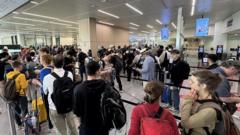
The head of Berlin Brandenburg Airport has issued a stark warning regarding potential significant delays at European Union borders this summer. These delays are expected to stem from the implementation of the EU's new Entry-Exit System (EES). The airport chief expressed strong concern that the current situation is 'not bearable' for the upcoming holiday season. The EES is designed to digitally register travelers from non-EU countries by recording their name, type of travel document, biometric data, and the date and place of entry and exit. This system aims to streamline border checks but could lead to longer queues if not adequately managed. The warning highlights the potential impact on millions of travelers hoping to enjoy summer holidays across the Schengen Area. Airport authorities and border agencies are reportedly working to mitigate these risks, but uncertainty remains about the system's readiness and capacity to handle peak travel volumes.
The introduction of the EU's Entry-Exit System presents a complex challenge at the intersection of security, efficiency, and traveler experience. While the EES aims to enhance border management and security, its implementation during peak travel periods like the summer holidays risks significant disruption. The primary concern is the potential for system strain and human resource limitations to create bottlenecks, impacting the economic viability of tourism and the satisfaction of travelers. This situation underscores a recurring tension in public policy: the trade-off between enhanced security measures and the immediate practicalities of large-scale public service delivery. Future policy development should consider phased rollouts, robust stress-testing, and adaptive capacity planning to better anticipate and manage the operational impacts of such significant technological and procedural changes, particularly in the context of evolving global travel patterns and the increasing reliance on digital systems.
AI-generated to prompt reflection — not editorial opinion, not advice, not a statement of fact. How this works.