EU Classifies Sika Deer as Invasive Species, Raising Questions About Their Fate
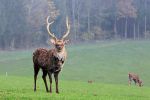
The European Union has officially classified the Sika deer as an invasive species. This designation raises significant questions regarding the population numbers of these deer within the country and what actions will be taken concerning them. The specific number of Sika deer affected by this classification remains unclear. The EU's decision to label the species as invasive suggests a need for management strategies to control its spread. Further details on the implications of this classification and the proposed measures are expected. The classification implies potential risks to native ecosystems and biodiversity. The exact impact on the Sika deer population and the environment is yet to be fully assessed. This development marks a significant step in the EU's efforts to manage non-native species.
The EU's classification of Sika deer as an invasive species reflects a proactive approach to biodiversity management, aiming to mitigate potential ecological disruptions. This designation may necessitate population control measures, prompting a consideration of ethical and practical trade-offs between species conservation and ecosystem health. Future strategies will likely involve balancing ecological imperatives with public perception and the economic implications of managing wildlife populations. The long-term success of such interventions will depend on robust scientific assessment and adaptive management frameworks, particularly in the context of evolving environmental conditions and increasing human-wildlife interactions.
AI-generated to prompt reflection — not editorial opinion, not advice, not a statement of fact. How this works.