EU Commission Criticizes Germany's Lobbying Oversight as Insufficient
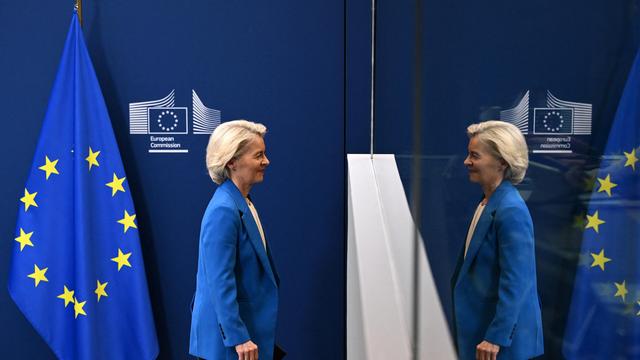
The European Commission has expressed concerns regarding the effectiveness of Germany's lobbying transparency measures. While Germany has implemented a lobbying register, the EU Commission deems it inadequate and is calling for improvements. This criticism highlights a perceived gap in the oversight of lobbying activities within Germany. The commission's stance suggests that current regulations may not fully capture or control the influence of lobbyists. Consequently, Germany is being urged to enhance its existing framework to ensure greater accountability and transparency in its political processes. The specific areas requiring revision have not been detailed, but the overall message points to a need for a more robust system.
The European Commission's critique of Germany's lobbying register suggests a potential misalignment between national transparency efforts and EU-wide standards for democratic accountability. This situation may reflect differing interpretations of effective lobbying oversight or varying levels of political will to regulate the influence of special interest groups. As the EU aims to bolster its own transparency mechanisms, member states like Germany face pressure to align their domestic regulations. This dynamic could lead to a more harmonized approach to lobbying across the bloc, potentially reducing the impact of opaque influence on policy-making. The long-term implications involve balancing legitimate stakeholder engagement with the imperative to safeguard public interest and prevent undue influence in democratic governance.
AI-generated to prompt reflection — not editorial opinion, not advice, not a statement of fact. How this works.