EU Commission Flags TikTok for Failing to Protect Minors Under Digital Services Act
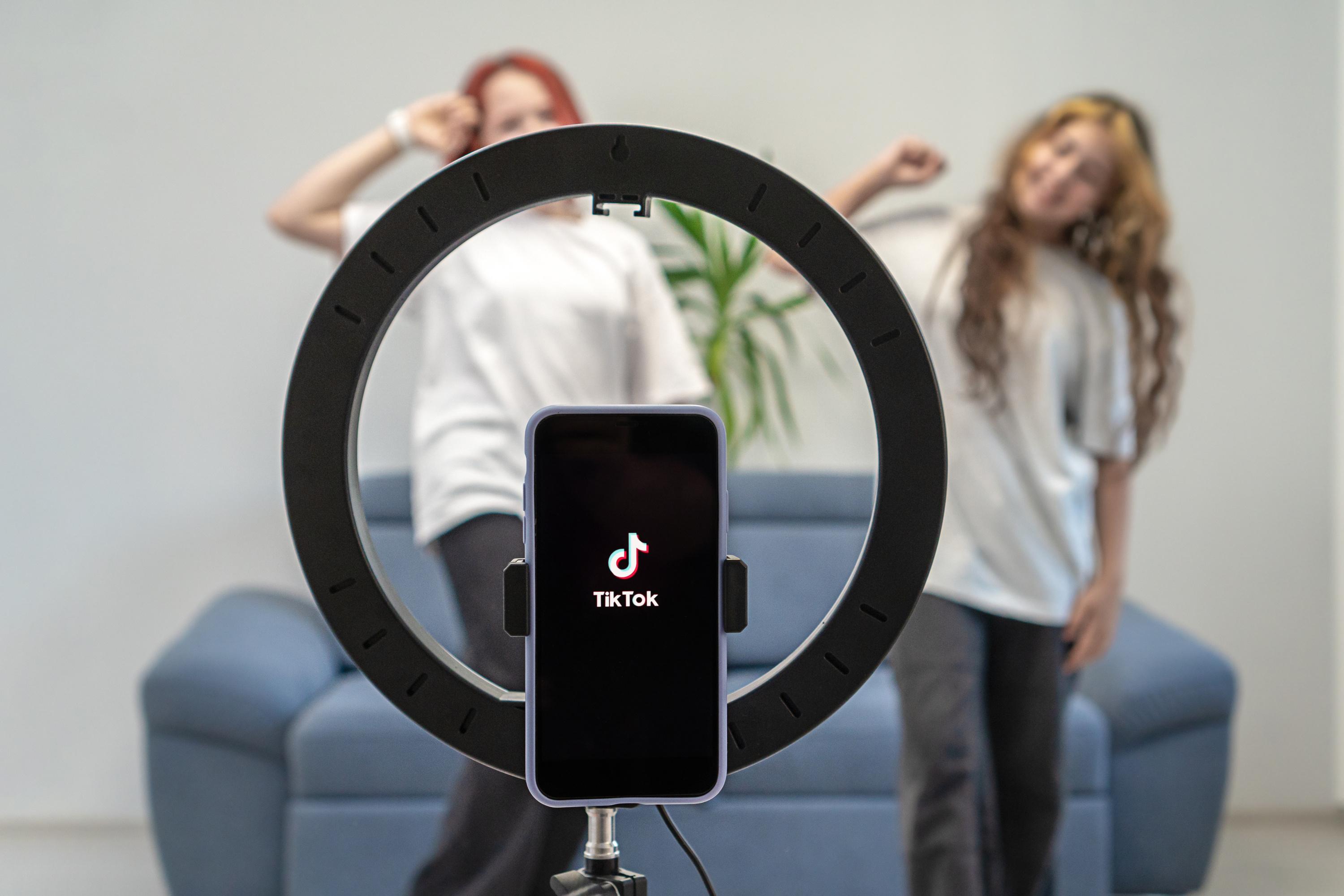
The European Commission has preliminarily concluded that TikTok has failed to comply with the security standards mandated by the European Union's Digital Services Act (DSA). This finding specifically relates to the platform's alleged lack of adequate protection for underage users. The DSA, which came into effect in February 2024, imposes stringent obligations on online platforms regarding content moderation, user safety, and transparency. TikTok, like other major online services, is subject to these regulations. The preliminary assessment by the Commission suggests that TikTok's current measures are insufficient to meet the required safety benchmarks for minors. Further investigation will likely follow to determine the extent of non-compliance and potential consequences. This action by the EU highlights the growing regulatory scrutiny on large technology companies and their responsibilities in safeguarding vulnerable populations online. The outcome could influence future enforcement actions under the DSA.
The European Commission's preliminary findings against TikTok underscore a critical tension between platform growth and regulatory compliance, particularly concerning minor safety. The Digital Services Act (DSA) represents a significant attempt by the EU to establish a more robust digital governance framework, shifting responsibility towards platforms for user protection. TikTok's alleged shortcomings highlight the challenges inherent in enforcing complex digital regulations across diverse user bases and content types. Future compliance efforts will likely involve a recalibration of TikTok's content moderation algorithms and age verification systems. The broader implication is the increasing expectation for global tech platforms to adapt their operational models to regional legal and ethical standards, potentially leading to fragmented service offerings or increased compliance costs.
AI-generated to prompt reflection — not editorial opinion, not advice, not a statement of fact. How this works.