EU Commission Proposes Easing Emissions Trading System
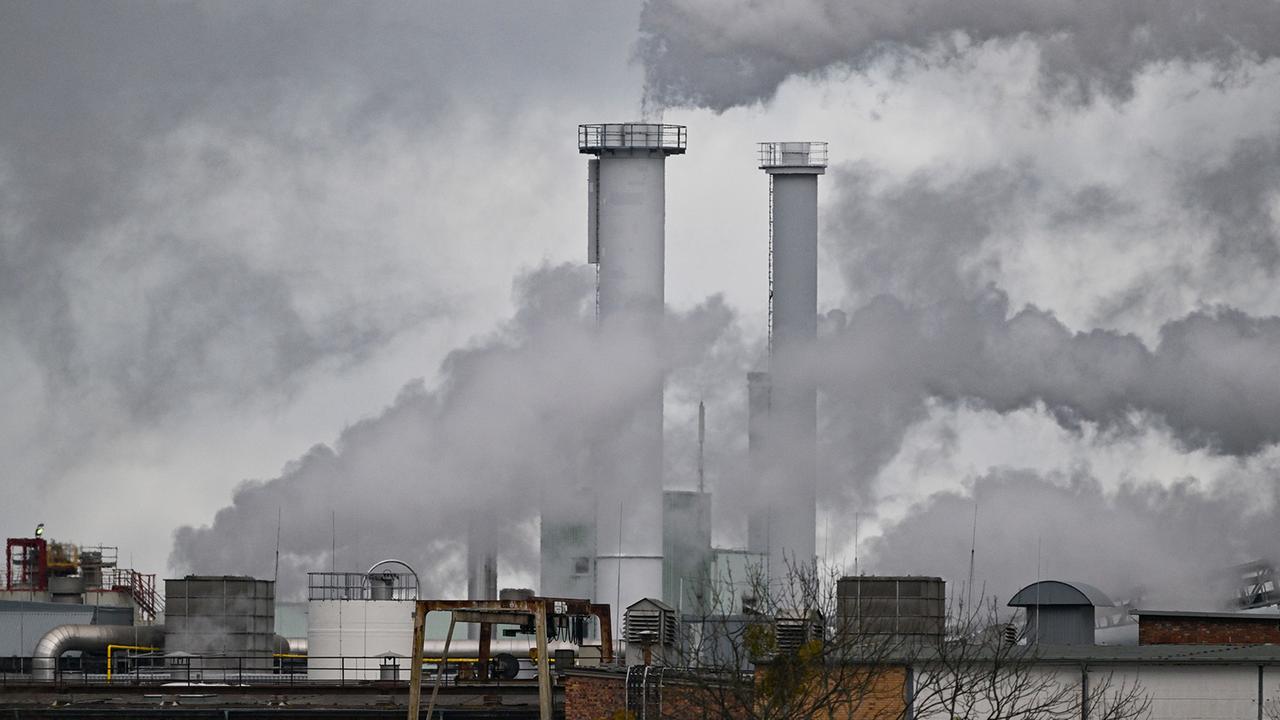
The European Union's Emissions Trading System (EU ETS) requires companies to purchase pollution permits. Recently, a growing chorus of complaints has emerged from some member states and industrial sectors regarding significant cost pressures. In response to these concerns, the EU Commission is now planning to relax the existing system. This move aims to alleviate the financial burden on industries operating under the ETS framework. The specific details of the proposed adjustments have not yet been fully disclosed, but the intention is to make the system more manageable for businesses facing high operational costs. The EU ETS is a cornerstone of the bloc's climate policy, designed to incentivize emission reductions by putting a price on carbon. However, the current economic climate and competitive pressures have led to calls for reform. The Commission's proposal signals a potential shift in balancing environmental goals with industrial competitiveness.
The EU Commission's proposal to ease the Emissions Trading System reflects a complex interplay between climate policy objectives and economic realities. While the ETS is designed to drive decarbonization through market mechanisms, persistent complaints about cost pressures suggest a need to re-evaluate its implementation. This adjustment could be viewed as a response to concerns about industrial competitiveness within the global market, potentially balancing environmental targets with the need to avoid carbon leakage. Future iterations of such systems may need to incorporate more dynamic mechanisms that adapt to evolving economic conditions and technological advancements, ensuring that climate policy remains both effective and economically sustainable over the long term.
AI-generated to prompt reflection — not editorial opinion, not advice, not a statement of fact. How this works.