EU Commission Proposes Easing Green Transition Timelines for Industry
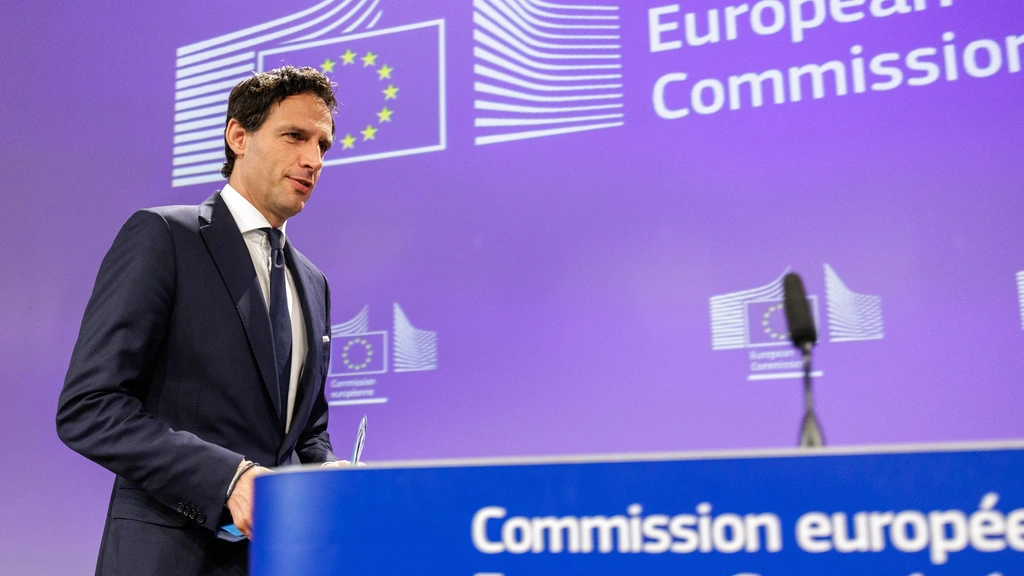
The European Commission is proposing to relax deadlines and offer more support for European industries to achieve their sustainability goals. The primary aim is to ease the pressure on companies to rapidly reduce emissions to net-zero, thereby enhancing their global competitiveness. European Commissioner for Climate Wopke Hoekstra stated that the move aims to revitalize European industry and reduce reliance on imported energy. While the core principle of the Emissions Trading System (ETS), which requires companies to pay for their greenhouse gas emissions, will remain, the pace of emissions reduction will be slowed. Under the revised plan, the reduction in available emission certificates will begin more gradually from 2035, and the free allocation of certificates may be extended under certain conditions. The ETS, established in 2005, mandates that large European companies purchase certificates for each ton of CO2 emitted, incentivizing them to reduce pollution or switch to cleaner energy sources. Independent research indicates the ETS has been effective in lowering emissions, but concerns remain about unfair competition, insufficient investment in green technologies, and the low reinvestment of ETS revenues back into industry. The Commission intends to transform the ETS into a driver for innovation and investment, requiring companies seeking certificates for investments to present and execute concrete sustainability plans. Furthermore, member states will be mandated to invest a significantly larger portion of ETS revenue into greening their industries; currently, only about one in twenty euros collected is reinvested, with the proposal aiming for at least one in two euros to be directed towards industrial greening. The ETS will also be expanded to include aviation and maritime sectors. Airlines will now pay for emissions on flights to and from destinations within 5,000 kilometers of the EU's center, a compromise to avoid penalizing the furthest international routes to the US and China, and to mitigate geopolitical tensions. Smaller vessels will also be brought under the ETS, with support provided for their decarbonization efforts.
The European Commission's proposal to adjust the timeline for industrial decarbonization reflects a complex balancing act between ambitious climate targets and the immediate economic realities faced by European industries. The shift acknowledges that rapid, mandated emissions reductions, while environmentally necessary, can create significant competitive disadvantages and financial strain, particularly in energy-intensive sectors like chemicals and steel. By proposing a slower phase-out of emission allowances and increased support for green investments, the EU aims to foster innovation and maintain industrial capacity. However, this adjustment could prolong the period during which European industries contribute to global emissions, potentially impacting long-term climate goals. The political negotiation phase ahead, involving member states and the European Parliament, will be crucial in determining the final shape of these regulations. The outcome will reveal the extent to which economic competitiveness concerns can override the urgency of climate action, and how effectively the EU can incentivize genuine green investment rather than merely delaying necessary transitions.
AI-generated to prompt reflection — not editorial opinion, not advice, not a statement of fact. How this works.