EU Commission Proposes New Rules for Online Child Safety
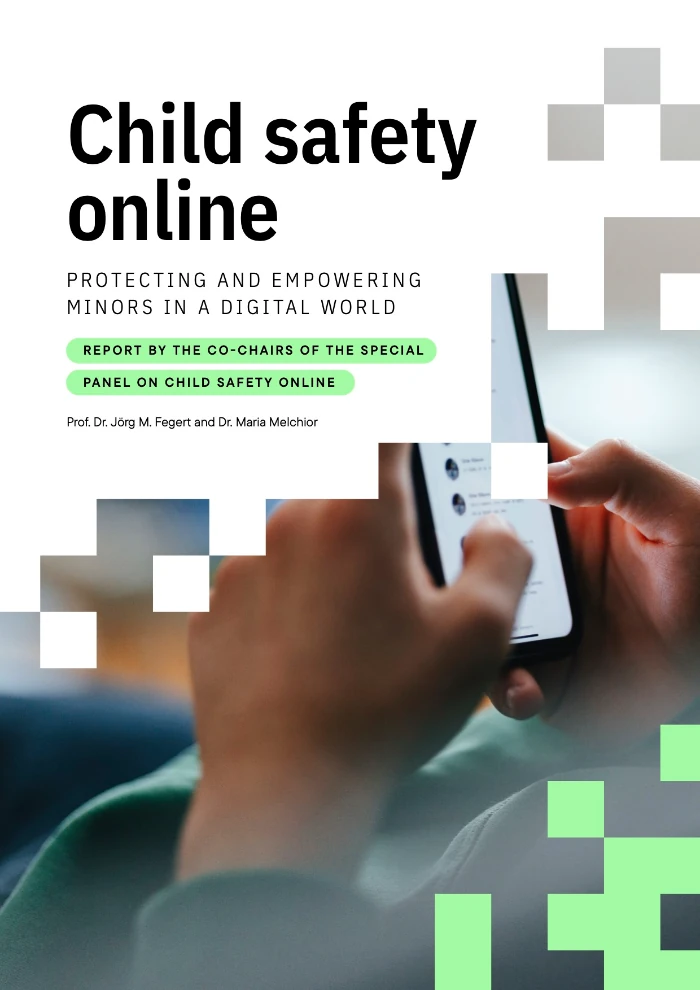
Ursula von der Leyen, President of the European Commission, has introduced the "Child Safety Online" report, which will form the basis for new regulations on internet access for minors. This report, developed by a working group of 300 individuals, is structured into four key areas: a developmental approach to child online safety, data on risks faced by minors, protection within evolving social media environments, and empowering children for safe digital navigation. The report is guided by six core principles, including an evolutionary approach, equality, child protection, digital service responsibility, media literacy, and children's rights and participation.
Key recommendations from the report include a harmonized EU-wide restriction on social media access for children under 13, alongside the implementation of robust age verification systems. It also calls for standardized safety features in digital services, shifting the burden of proof to providers to demonstrate product safety for minors, and strengthening enforcement capabilities. Furthermore, it emphasizes clear obligations for digital providers to prevent, detect, and report child sexual abuse online. Member states may introduce additional preventive access restrictions for those aged 13 and above. The report also suggests empowering children by enhancing their participation in shaping media environments, reinforcing complaint mechanisms, and promoting digital literacy initiatives for children, parents, and educators. It advocates for increased funding for research and support for civil society organizations.
While the report aims to protect children and adolescents online, some recommendations, such as potential support for systems like Chat Control, raise concerns about privacy and surveillance. The proposed age-based access model suggests no screen or social media access for children under two, supervised access to age-appropriate content and devices for ages three to twelve, and gradually increasing autonomy for those aged thirteen to eighteen, with a continued emphasis on age-appropriateness.
The European Commission's "Child Safety Online" report signals a significant regulatory push to address the complex challenges of protecting minors in the digital realm. By proposing harmonized age restrictions, mandatory age verification, and shifting the burden of proof to digital service providers, the EU aims to create a more secure online environment. This approach reflects a broader global trend towards increased platform accountability, driven by concerns over data privacy, child exploitation, and the psychological impact of digital media on young users. The report's emphasis on a developmental approach and digital literacy acknowledges the need for nuanced solutions that balance protection with empowerment. However, the potential for such regulations to enable mass surveillance, as hinted by concerns over systems like Chat Control, presents a critical trade-off between child safety and fundamental privacy rights. Future policy decisions will need to navigate this tension, ensuring that protective measures do not inadvertently erode civil liberties or create new avenues for state overreach in the digital age. The long-term success will depend on effective implementation, international cooperation, and ongoing adaptation to the rapidly evolving technological landscape.
AI-generated to prompt reflection — not editorial opinion, not advice, not a statement of fact. How this works.