EU Commission Rejects Ethnic Cleansing Rhetoric, Addresses Serbian Minister
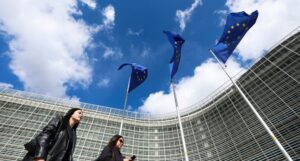
The European Commission has stated that there is no place in Europe for rhetoric that justifies or advocates for ethnic cleansing. This statement was made by European Commission spokesperson Anita Hipper in response to comments by Serbian Minister of Public Administration and Local Self-Government, Snežana Paunović. Hipper emphasized that such discourse is unacceptable within the European framework. The original context of Minister Paunović's remarks, made in 1998, was not fully elaborated in the provided text, but the EC's reaction underscores a firm stance against hate speech and divisive narratives. The EC's position highlights its commitment to upholding principles of inclusivity and human rights across the continent. This intervention serves as a clear message to member states and aspiring members regarding acceptable public discourse. The statement from the European Commission reinforces the EU's values and its dedication to preventing the resurgence of harmful ideologies. It signals that political rhetoric must align with democratic norms and respect for all communities.
The European Commission's firm stance against rhetoric advocating ethnic cleansing reflects a critical safeguard within the EU's foundational principles. This intervention highlights the ongoing challenge of managing historical narratives and contemporary political discourse to prevent the normalization of extremist ideologies. The EC's role here is to act as a normative enforcer, ensuring that public statements, particularly from government officials, align with the Union's commitment to human rights and democratic values. Looking ahead, the increasing influence of digital platforms on public discourse may necessitate more robust mechanisms for monitoring and addressing hate speech, ensuring that such rhetoric does not gain traction in an era of rapid information dissemination. The tension between historical context and present-day accountability remains a key dynamic for European integration.
AI-generated to prompt reflection — not editorial opinion, not advice, not a statement of fact. How this works.