EU Considers Age Limits and Gradual Access to Social Media for Minors
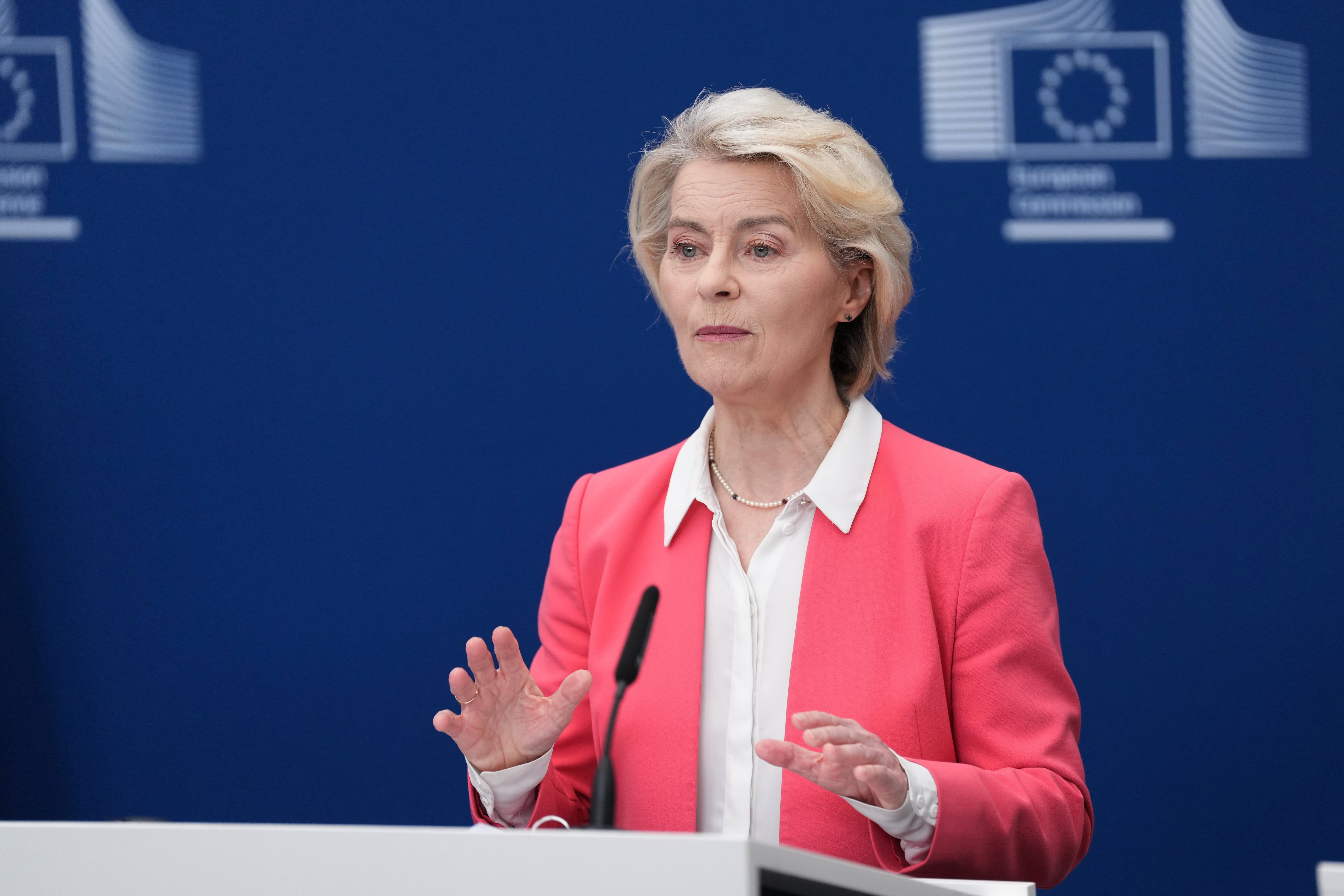
The European Union is exploring a strategy, dubbed "digital majority," to restrict minors' access to social media platforms. Under consideration is a potential ban on social media use for children under 13 years old. For those between 13 and 18, the EU is contemplating a system of gradual access. The primary objective behind these proposed measures is to mitigate the adverse effects stemming from the addictive design of these platforms. This initiative signals a growing concern among policymakers regarding the impact of social media on the mental well-being and development of young people. The proposed regulations aim to create a safer online environment for minors by addressing the inherent addictive features of social media applications. Further discussions and impact assessments are expected as the EU deliberates on the implementation of this strategy.
The European Union's proposed "digital majority" strategy reflects a growing global concern over the psychological impact of social media on developing minds. By considering age restrictions and phased access, the EU is attempting to balance user engagement with child protection. This approach acknowledges the inherent conflict between platform business models, which often rely on maximizing user time and engagement through addictive design, and the need to safeguard vulnerable populations. The effectiveness of such measures will depend on robust enforcement and the ability to adapt to evolving digital landscapes. Policymakers face the challenge of crafting regulations that are both protective and technologically feasible, without stifling innovation or creating unintended consequences for digital literacy and social interaction among youth.
AI-generated to prompt reflection — not editorial opinion, not advice, not a statement of fact. How this works.