EU Considers Carbon Pricing for Intercontinental Flights Amidst Lobbying Battle
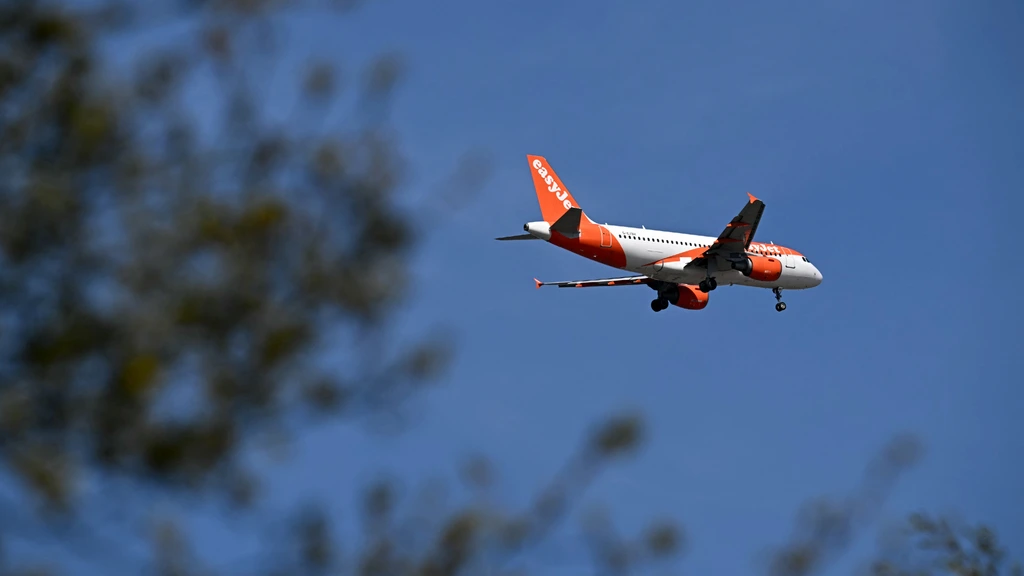
The European Commission is contemplating a significant policy shift that would require airlines to pay for the CO2 emissions generated by intercontinental flights. Currently, airlines are obligated to pay for emissions on flights within the EU but not for those extending beyond its borders. This proposed change aims to address the substantial environmental impact of long-haul aviation, which accounts for a significant portion of the sector's overall emissions. Proponents argue that this measure is crucial for the greening of the aviation industry and that the revenue generated could be reinvested in sustainable aviation technologies. However, the proposal faces strong opposition from airline industry lobbyists, who fear increased ticket prices and a diminished competitive standing for European carriers against international rivals. They argue that these additional costs would inevitably be passed on to consumers, potentially leading travelers to opt for transit hubs outside the EU. The debate is particularly sensitive due to potential diplomatic friction with countries like the United States and China, which previously resisted such measures. In 2012, the EU postponed similar plans under international pressure, opting instead for a global emissions trading system that has since proven less effective. Climate Commissioner Wopke Hoekstra is reportedly facing a challenging task in navigating this complex issue. Lobbying efforts are intense, with groups like Airlines for Europe (A4E) actively engaging the Commission, while environmental organizations such as Transport & Environment (T&E) are advocating for the inclusion of all flights. The Commission is reportedly exploring intermediate solutions to balance environmental goals with industry and international concerns, possibly by pricing only a portion of the flight emissions. A formal proposal is expected on Friday as part of broader reforms to the EU Emissions Trading System, after which political negotiations will commence.
The European Commission's consideration of carbon pricing for intercontinental flights highlights a critical juncture in balancing environmental sustainability with economic competitiveness in the aviation sector. This policy initiative reflects a growing global imperative to internalize the external costs of carbon emissions, particularly from sectors with significant climate impact. The challenge lies in designing a system that is both environmentally effective and economically viable, avoiding unintended consequences such as carbon leakage or a significant disadvantage for European airlines. The historical precedent of international resistance suggests that a multilateral approach, or at least strong diplomatic engagement, will be crucial for the long-term success of such measures. Future policy design may need to consider innovative mechanisms that incentivize technological advancements in sustainable aviation fuels and aircraft efficiency, alongside emissions pricing, to foster a truly green transition over the next decade.
AI-generated to prompt reflection — not editorial opinion, not advice, not a statement of fact. How this works.