EU Considers Speed Limiters for Cars, Sparking Debate
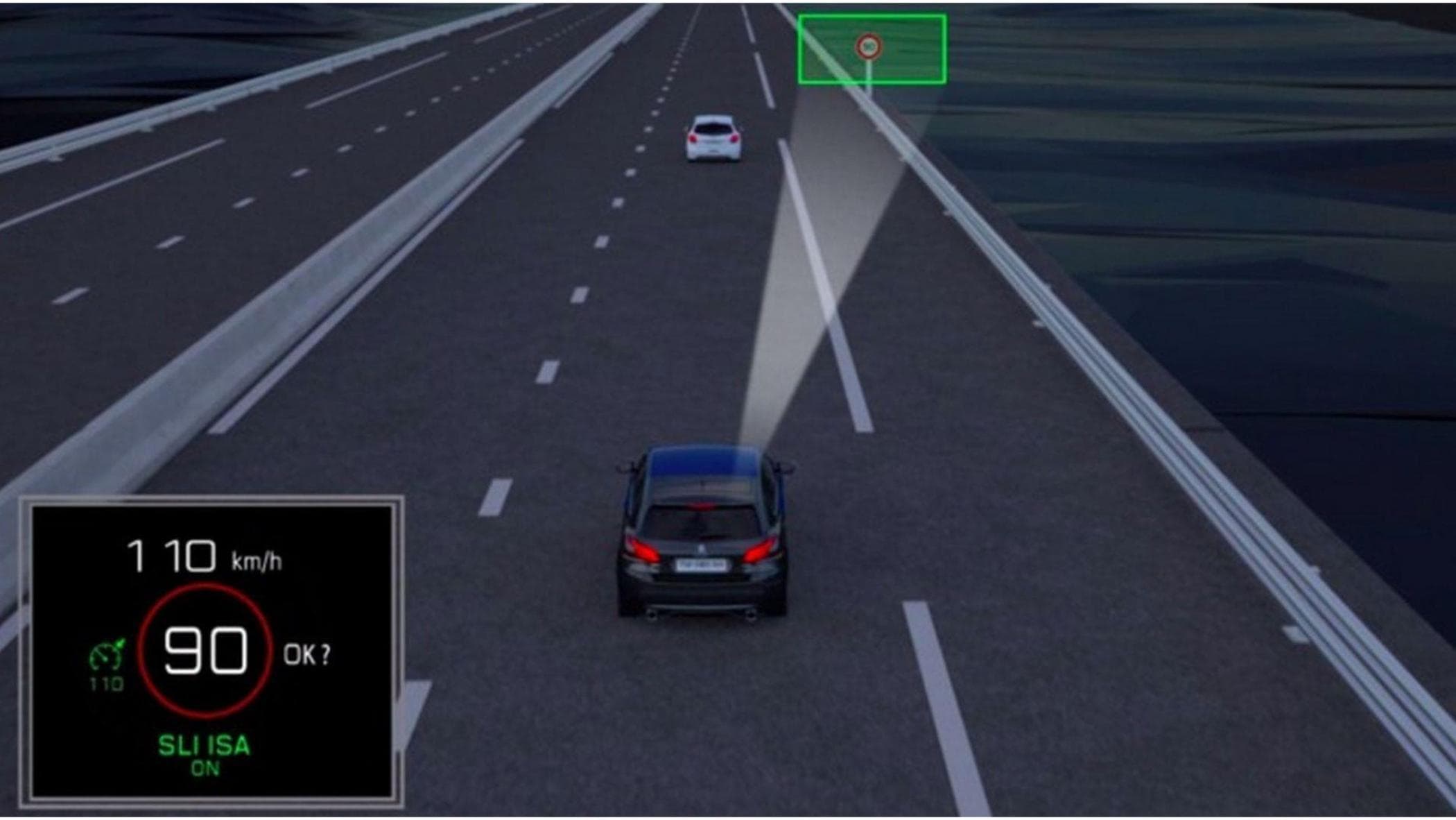
The European Union is reportedly considering new measures to enhance road safety, including the potential implementation of intelligent speed assistance (ISA) systems in vehicles. These systems would automatically limit a car's speed if it exceeds the posted limit. While no official proposals have been formally presented, the discussion is underway within the EU. The primary objective behind this initiative is to significantly reduce road accidents and fatalities. However, the prospect of mandatory speed limiters has already ignited controversy and criticism. Notably, Thatcham Research, a UK-based automotive research organization, has voiced concerns regarding these potential regulations. The debate highlights a tension between advancing safety technologies and potential user autonomy or system reliability concerns.
The European Union's exploration of mandatory intelligent speed assistance systems reflects a growing global trend towards leveraging technology to improve public safety, particularly on roadways. This initiative aims to address the persistent challenge of speeding, a major contributor to traffic accidents. The potential benefits include reduced fatalities and injuries, and possibly lower insurance costs due to fewer accidents. However, the introduction of such systems raises questions about technological reliability, potential over-reliance, and the balance between automated safety interventions and driver control. Critics may point to the need for robust testing, clear regulatory frameworks, and consideration of diverse driving conditions and user acceptance. The long-term impact will likely depend on how effectively these systems are integrated, their accuracy, and the public's perception of their utility versus their intrusiveness.
AI-generated to prompt reflection — not editorial opinion, not advice, not a statement of fact. How this works.