EU Court Rules Individuals Can Face Criminal Charges for Spreading Russian State Media Content
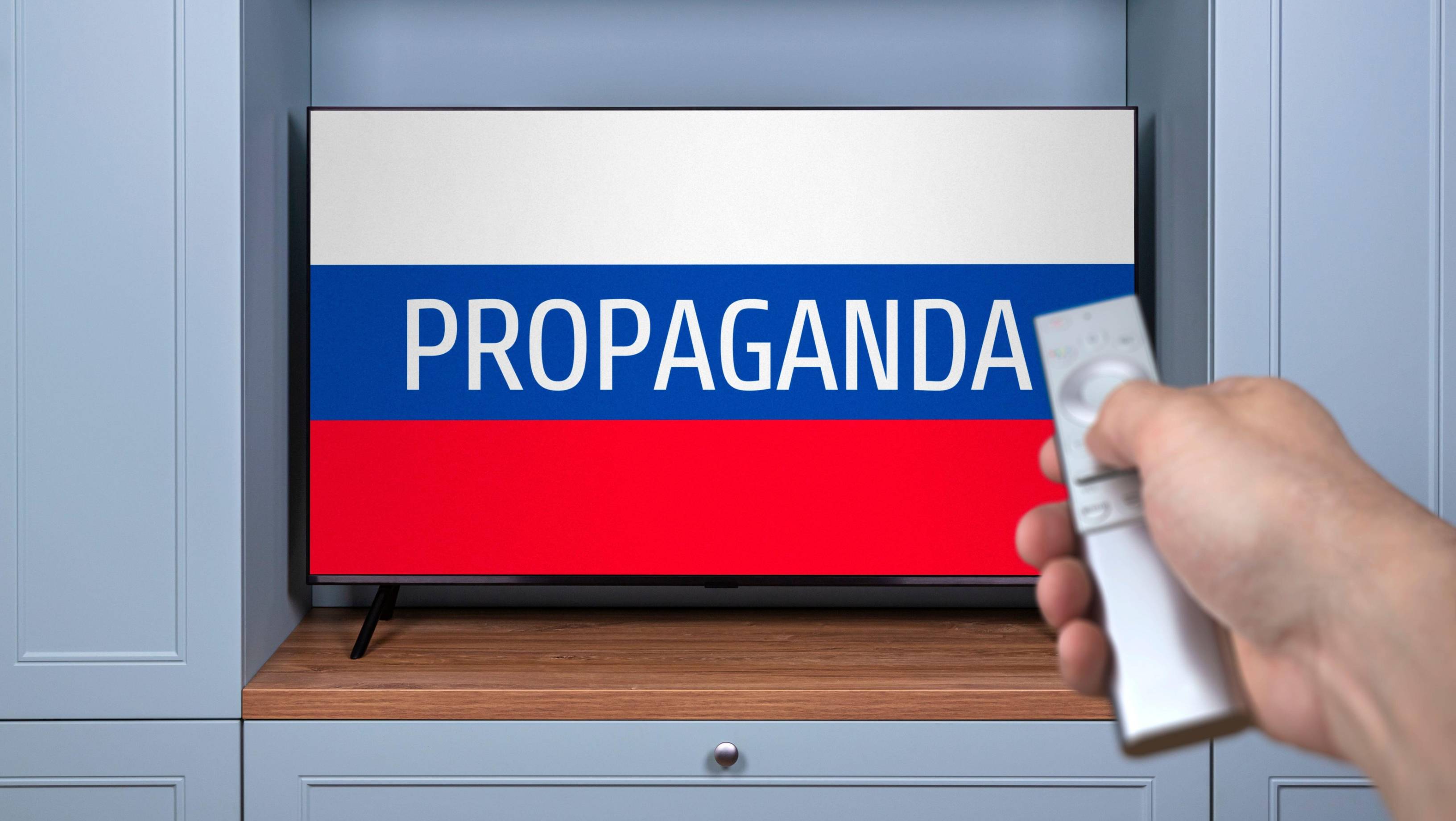
The Court of Justice of the European Union has clarified the application of EU sanctions against Russian media outlets. The fourth chamber of the court has determined that individuals can face criminal prosecution for distributing content from Russia Today (RT) online. This decision means that sharing materials from the Russian state-controlled media organization on the internet could lead to legal investigations. The ruling specifically addresses the scope of EU sanctions and their enforcement against entities like RT. Previously, the focus of sanctions was primarily on the organizations themselves. However, this new clarification extends the potential legal repercussions to individuals who actively disseminate such content. This development, reported by RBC citing the court's decision, signals a stricter approach to combating Russian propaganda within the European Union.
This ruling by the Court of Justice of the European Union signifies a potential shift in how information warfare is addressed within the EU. By extending potential criminal liability to individuals for disseminating state-sponsored media content, the court is signaling a heightened awareness of the impact of propaganda. This could incentivize platforms and individuals to exercise greater caution regarding the source and nature of shared content, potentially creating a chilling effect on the spread of disinformation. From a systemic perspective, this decision may prompt a re-evaluation of content moderation policies and legal frameworks across member states, aiming to balance freedom of expression with national security concerns in the digital age.
AI-generated to prompt reflection — not editorial opinion, not advice, not a statement of fact. How this works.