EU Divided Over Ceuta Migrant Influx; Crisis Meeting Held
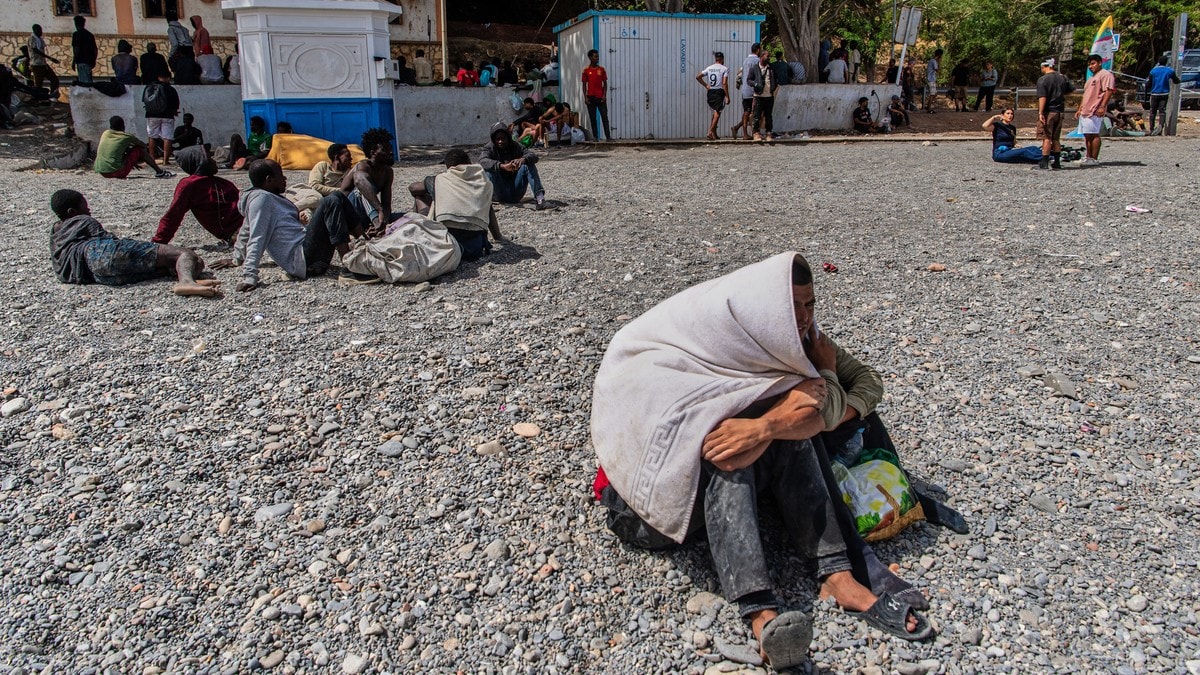
European leaders are reportedly blaming Spain for the recent influx of migrants into Ceuta. The situation has created a significant division within the European Union regarding immigration policies. While many European countries advocate for stricter border closures and a halt to immigration, Spain has taken a different approach. The Spanish government has granted residency permits to 600,000 undocumented migrants. This divergence in policy has led to a crisis meeting among European leaders to address the growing tensions and differing strategies for managing migration flows. The differing responses highlight a fundamental disagreement on how to handle humanitarian concerns versus border security within the EU.
The differing responses to the migrant influx in Ceuta underscore a systemic tension within the EU between national sovereignty in border management and the collective responsibility for managing external borders and humanitarian crises. Spain's decision to grant residency to a large number of undocumented migrants, while potentially addressing immediate humanitarian needs and labor market gaps, contrasts sharply with the more restrictive stances of other member states. This divergence creates governance challenges for the bloc, potentially leading to uneven application of EU asylum and migration policies and straining diplomatic relations. Future EU policy may need to reconcile these competing interests through more harmonized approaches to integration, border control, and burden-sharing, considering the long-term demographic and economic implications of migration in the coming decade.
AI-generated to prompt reflection — not editorial opinion, not advice, not a statement of fact. How this works.
