EU Divided Over Israeli Settlements: Berlin Slows Debate on Sanctions
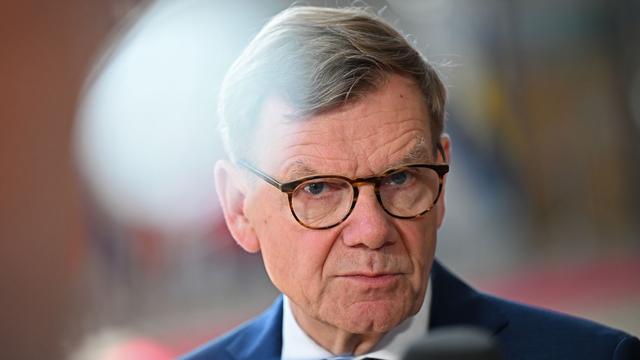
The European Union is experiencing internal divisions regarding the Israeli settlement policy in Palestinian territories. Germany, through Berlin's stance, is reportedly slowing down discussions about potential EU sanctions against Israel. This move comes amid ongoing international criticism of the expansion of Israeli settlements, which are considered illegal under international law. The debate within the EU highlights differing approaches among member states on how to address the issue and its implications for the broader Israeli-Palestinian conflict. Some member states are pushing for stronger measures, including sanctions, to pressure Israel into halting settlement expansion. However, Germany's cautious approach suggests a preference for diplomatic engagement or other non-sanctioning measures. The outcome of these internal EU deliberations could significantly impact future EU policy towards Israel and the peace process. The differing viewpoints underscore the complexity of achieving a unified EU foreign policy on sensitive geopolitical issues. The situation remains fluid as member states continue to negotiate their positions.
The EU's internal discord over potential sanctions against Israel regarding settlement policy reflects a persistent challenge in formulating a cohesive foreign policy among member states with diverse geopolitical interests and historical ties. Germany's position, acting as a brake on sanctions, likely stems from a complex calculus involving strategic partnerships, security considerations, and a preference for diplomatic solutions over punitive measures, aiming to preserve dialogue channels. This dynamic highlights the tension between upholding international law and maintaining pragmatic relations with key regional actors. The divergence in approaches may indicate a broader systemic contradiction within the EU's foreign policy architecture, where consensus-based decision-making can be hampered by national priorities, potentially limiting the bloc's leverage on the international stage. Looking ahead, the efficacy of EU actions on such complex issues will increasingly depend on its ability to bridge these internal divides and project a unified, principled stance in a multipolar world increasingly shaped by technological and geopolitical shifts.
AI-generated to prompt reflection — not editorial opinion, not advice, not a statement of fact. How this works.