EU Emissions Trading System: What's Next for Climate Protection?
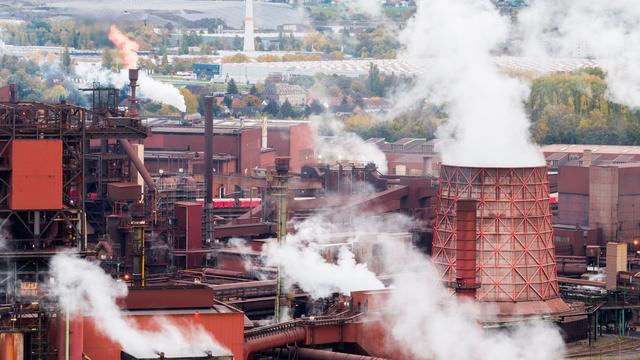
The European Union's Emissions Trading System (EU ETS) is a cornerstone of its climate protection strategy. This system aims to reduce greenhouse gas emissions by setting a cap on the total amount of greenhouse gases that can be emitted by installations covered by the system. Companies receive or buy emission allowances, which they can trade. If they emit more than their allowances, they must buy more, incentivizing them to reduce emissions. The system has been in place for several years and has undergone various reforms to increase its effectiveness. The current discussion revolves around the future direction and potential enhancements of the EU ETS. This includes considerations for expanding its scope to new sectors, such as transport and buildings, and strengthening the existing cap to ensure steeper emission reductions. The effectiveness of the system is constantly being evaluated to align with the EU's ambitious climate targets, including the goal of achieving climate neutrality by 2050. Future adjustments will likely focus on ensuring the system remains a cost-effective tool for achieving these targets while maintaining the competitiveness of European industries.
The EU Emissions Trading System represents a market-based approach to climate mitigation, leveraging economic incentives to drive decarbonization. Its ongoing evolution reflects a dynamic tension between environmental ambition and industrial competitiveness. Future expansions and cap adjustments will need to carefully balance the urgency of climate action with the potential for carbon leakage and economic disruption. The system's success hinges on its ability to adapt to technological advancements and global climate policy shifts, ensuring it remains a robust and equitable mechanism for achieving long-term climate goals in the coming decade.
AI-generated to prompt reflection — not editorial opinion, not advice, not a statement of fact. How this works.