EU Energy Sanctions Against Russia Stall Over Greek Fuel Transport Interests
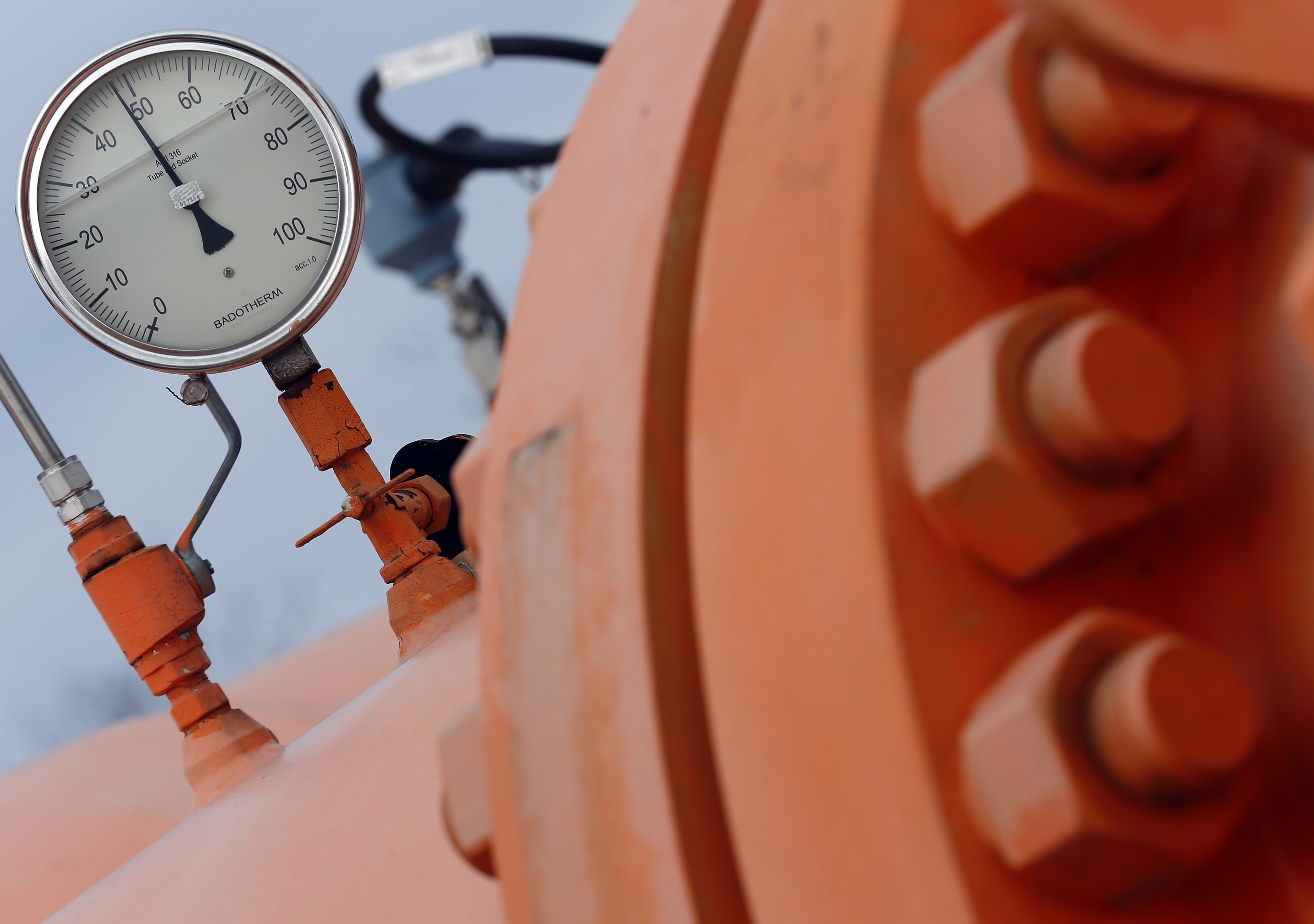
European Union member states failed to reach an agreement on new, sweeping sanctions against Russia on Wednesday evening. The proposed measures, aimed at further penalizing Russia, were blocked by Greece. Greece's primary concern is protecting its vital fuel transport industry, which would be negatively impacted by the sanctions. This development highlights the differing national interests within the EU, even on critical foreign policy issues. The inability to agree on further sanctions underscores the challenges of maintaining a united front against Russia. The post-Orban era in Hungary may be signaling a period where individual member states are more assertive in pursuing their own economic priorities, potentially complicating future EU decision-making. Greece's action puts its national interests ahead of the bloc's collective stance on Russia.
The impasse over EU sanctions against Russia, triggered by Greece's protectionist stance on its fuel transport sector, illustrates a recurring tension between collective geopolitical objectives and individual member states' economic vulnerabilities. This event underscores how national economic dependencies can create leverage points that challenge the EU's capacity for unified action, particularly when significant commercial interests are at stake. As the global energy landscape evolves and the long-term implications of geopolitical conflicts become clearer, the EU faces the ongoing challenge of balancing its foreign policy ambitions with the diverse economic realities of its member nations. Future policy cohesion will likely depend on mechanisms that can adequately address these divergent national interests without compromising the bloc's strategic goals.
AI-generated to prompt reflection — not editorial opinion, not advice, not a statement of fact. How this works.