EU Eyes Expanding Drone Deal Model to Missiles and Air Defense Systems
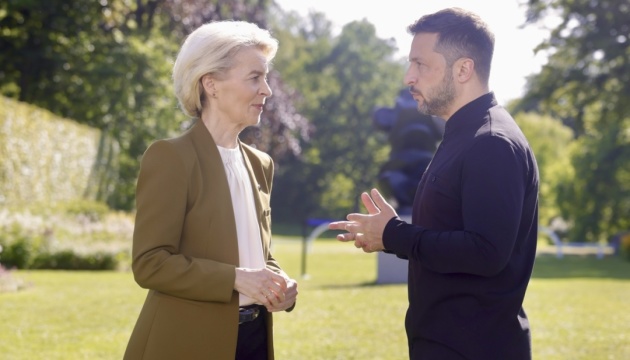
Following the successful agreement on the Drone Deal, the European Union is now considering extending this cooperative model to other areas of defense production with Ukraine. The EU aims to replicate the collaborative framework, initially established for drones, to encompass the manufacturing of missiles and air defense systems. This strategic move indicates a deepening partnership between the EU and Ukraine in bolstering Ukraine's defense capabilities through joint production initiatives. The intention is to leverage the established mechanisms of the Drone Deal to streamline and enhance the development and supply of crucial military hardware. This expansion signifies a commitment to supporting Ukraine's long-term defense needs beyond immediate battlefield requirements. The EU's approach suggests a focus on building sustainable defense industrial capacity within Ukraine, supported by European collaboration. The specific details of how this model will be adapted for missiles and air defense systems are expected to be elaborated upon in future discussions.
The EU's exploration of extending the Drone Deal's collaborative framework to missiles and air defense systems reflects a strategic pivot towards fostering a more integrated European defense industrial base, with Ukraine as a key partner. This approach addresses the dual imperatives of bolstering Ukraine's immediate defense needs while simultaneously addressing systemic European security vulnerabilities exposed by recent geopolitical events. By seeking to replicate a successful model, the EU signals an intent to de-risk supply chains and promote technological interoperability. The long-term implications may involve a rebalancing of defense manufacturing capabilities across the continent, potentially creating new economic dependencies and competitive dynamics within the defense sector. This initiative could accelerate the development of advanced defense technologies by pooling resources and expertise, but will require careful governance to ensure equitable benefit sharing and robust oversight.
AI-generated to prompt reflection — not editorial opinion, not advice, not a statement of fact. How this works.