EU Fails to Agree on 21st Sanctions Package Against Russia; Slovakia Says No Economic Obstacles
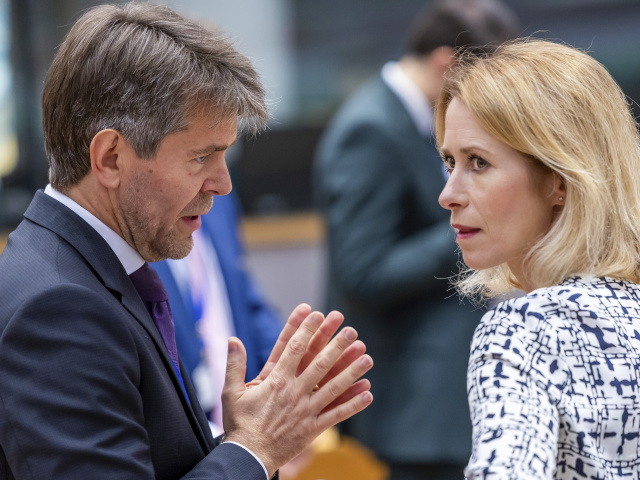
Member states of the European Union were unable to adopt the 21st package of sanctions against Russia during a meeting of the Council of the EU for Foreign Affairs on Monday. Marek Eštok, State Secretary of the Ministry of Foreign and European Affairs of the Slovak Republic, stated that the proposed sanctions package does not contain any measures that would be detrimental to the economic interests of Slovakia. The lack of agreement among member states indicates potential disagreements or concerns regarding the scope or impact of the proposed sanctions. Eštok's remarks suggest that Slovakia does not perceive any direct economic harm from the current proposals, implying a willingness to proceed if other concerns can be addressed. The specific details of the 21st sanctions package were not elaborated upon in the provided text, but the outcome of the FAC meeting highlights the complexities of achieving unanimous consensus on foreign policy measures within the EU, particularly concerning sanctions against a major global economy.
The EU's struggle to finalize its 21st sanctions package against Russia underscores the ongoing challenge of maintaining a unified front among member states when economic interests diverge. While Slovakia indicates no direct economic impediment from the current proposals, this stance may reflect a broader debate within the EU regarding the efficacy and unintended consequences of sanctions. The situation highlights the intricate balance between geopolitical objectives and national economic considerations. Future iterations of sanctions will likely require more sophisticated mechanisms to address these diverging impacts, potentially involving targeted support for heavily affected economies or clearer frameworks for assessing long-term economic resilience in the face of sustained geopolitical pressure. The ability of the EU to adapt its sanctions policy to evolving economic realities and maintain internal cohesion will be a critical factor in its foreign policy effectiveness over the next decade.
AI-generated to prompt reflection — not editorial opinion, not advice, not a statement of fact. How this works.