EU Fails to Agree on Sanctions for Trade with Israeli Settlements
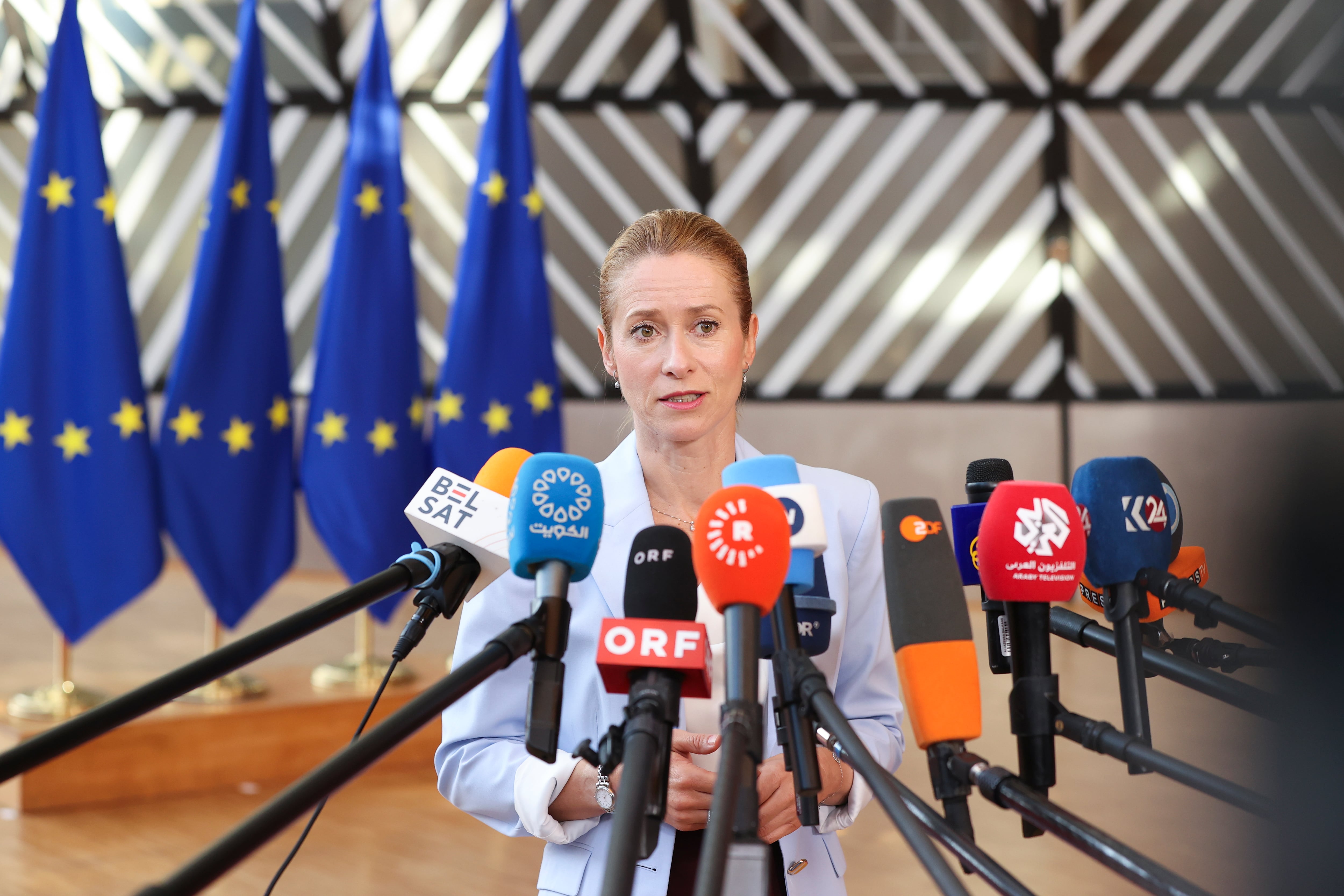
The European Union's 27 member states have been unable to finalize a mechanism to impose sanctions on trade with Israeli settlements. Estonia's Prime Minister, Kaja Kallas, indicated that the most supported option among the member states is a complete ban on trade with settlements located in the West Bank. Despite discussions, a unified approach to penalizing commercial activities involving these settlements has not been reached. This failure to agree highlights ongoing divisions within the EU regarding how to address the issue of Israeli settlements, which are considered illegal under international law. The proposed ban aimed to leverage economic pressure to influence Israel's policies in the occupied territories. However, the lack of consensus means that current trade practices with these settlements will continue without specific EU-wide punitive measures. Further negotiations are expected, but the immediate prospect of sanctions remains uncertain.
The European Union's inability to reach a consensus on sanctioning trade with Israeli settlements reflects a persistent challenge in formulating a unified foreign policy among member states with diverse geopolitical interests. While a total trade ban with West Bank settlements, as suggested by Kaja Kallas, represents a potential leverage point, the lack of agreement suggests underlying economic or political considerations that outweigh the desire for a strong, unified stance. This situation highlights the complexities of applying international law and human rights principles through economic instruments when faced with significant internal dissent. The ongoing debate underscores the tension between the EU's stated values and its capacity to implement them effectively, particularly when confronting established geopolitical realities and potential repercussions. Future policy decisions will likely depend on shifts in member state priorities or evolving international legal interpretations concerning settlements.
AI-generated to prompt reflection — not editorial opinion, not advice, not a statement of fact. How this works.