EU Fails to Curb Harmful Pesticide Use Despite Decade of Efforts
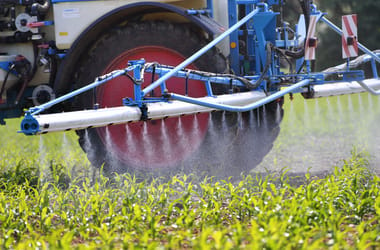
The European Union has been unsuccessful in its decade-long attempts to restrict the use of pesticides that cause significant harm to nature, biodiversity, and human health. Despite these efforts, the prevalence of these harmful substances remains a persistent issue across the bloc. In Hungary, a notable consequence of this ongoing problem is the contamination of rivers. This pollution poses a serious threat to aquatic ecosystems and potentially to human populations relying on these water sources. The failure to effectively regulate and reduce the use of these damaging agrochemicals highlights challenges in environmental policy enforcement and the balancing of agricultural interests with ecological protection. The continued presence of these pesticides underscores the need for more robust strategies and stricter adherence to regulations to safeguard both the environment and public health within the EU.
The EU's prolonged struggle to curtail the use of ecologically damaging pesticides suggests a complex interplay between agricultural policy, economic incentives, and environmental governance. Despite stated goals of protecting biodiversity and human health, the persistence of these substances indicates potential systemic weaknesses in regulatory enforcement or the influence of powerful agricultural lobbies. Looking ahead, the imperative for sustainable agricultural practices will intensify as climate change and resource scarcity place greater demands on ecosystems. Future policy frameworks may need to incorporate more innovative economic instruments, such as enhanced subsidies for organic farming or stricter penalties for non-compliance, to truly shift the agricultural paradigm towards ecological resilience and long-term human well-being.
AI-generated to prompt reflection — not editorial opinion, not advice, not a statement of fact. How this works.