EU Fails to Reach Agreement on New Sanctions Package Against Russia
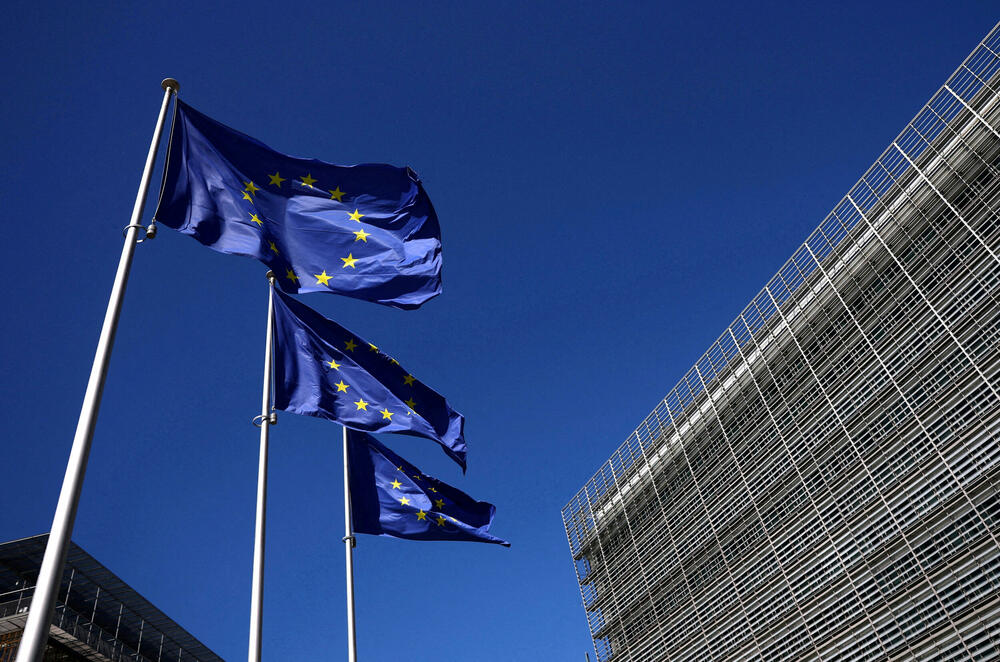
European Union member states have not reached an agreement on a new package of sanctions against Russia. The primary point of contention among the member nations revolves around proposed stricter limitations on Russian liquefied natural gas (LNG). Discussions are ongoing as countries attempt to find common ground on the extent and nature of these new measures. The failure to agree highlights the complexities and differing national interests within the EU when formulating cohesive foreign policy, particularly concerning sanctions against a major energy supplier. Further negotiations are expected to take place to address the disagreements and potentially move forward with a revised sanctions proposal. The specific details of the proposed restrictions on Russian LNG remain a key obstacle in finalizing the sanctions package.
The impasse in the EU's decision-making process regarding new sanctions against Russia, particularly concerning liquefied natural gas, underscores the intricate balance between geopolitical objectives and economic dependencies. Member states are navigating the challenge of imposing economic pressure while mitigating potential energy supply disruptions and price volatility. This situation highlights the systemic friction between collective security goals and individual national economic interests within the EU. Future energy market dynamics and the ongoing geopolitical landscape will likely shape the EU's capacity to implement unified and impactful sanctions, prompting a re-evaluation of energy security strategies and diversification efforts across the bloc.
AI-generated to prompt reflection — not editorial opinion, not advice, not a statement of fact. How this works.