EU Farm Reform Hits East German Farms Harder, Study Warns
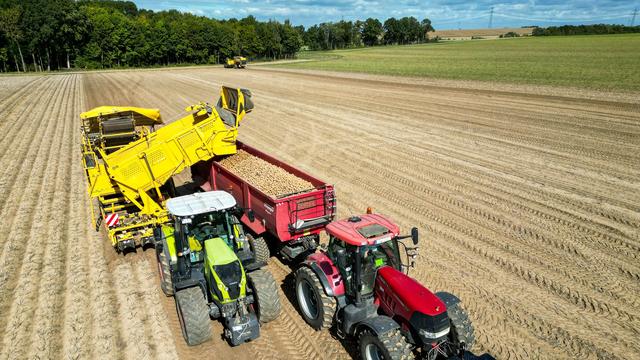
A new study indicates that the European Union's agricultural reform will disproportionately affect large farms in East Germany. The reform, aimed at promoting sustainability and environmental protection within the agricultural sector, is expected to impose significant new requirements and potentially reduce subsidies for these larger operations. East Germany has a high concentration of large agricultural enterprises, which may find it more challenging to adapt to the new regulations compared to smaller farms. The study suggests that these changes could lead to economic difficulties for these businesses, potentially impacting regional economies that rely on agriculture. The EU's Common Agricultural Policy (CAP) has undergone reforms in the past, but this latest iteration appears to have specific implications for the structure of farming in the eastern part of Germany. The research highlights concerns about the competitiveness and long-term viability of these large-scale agricultural businesses under the new policy framework. Further analysis is needed to understand the full scope of the economic impact and to develop potential mitigation strategies for the affected farms.
The EU's agricultural reforms aim to balance environmental goals with economic realities for farmers. This study highlights a potential unintended consequence: a disproportionate impact on large-scale agricultural operations in East Germany. This situation may stem from the differing structures and economies of scale between large and small farms, and how subsidy models are adjusted. Policymakers face the challenge of designing reforms that achieve sustainability targets without undermining the viability of established farming models, particularly in regions with a specific agricultural landscape. Future iterations of the CAP will need to consider regional economic structures and farm sizes to ensure a just transition towards greener agriculture, potentially exploring differentiated support mechanisms.
AI-generated to prompt reflection — not editorial opinion, not advice, not a statement of fact. How this works.