EU flags compliance issues for Pakistan's GSP+ trade status, urges reforms
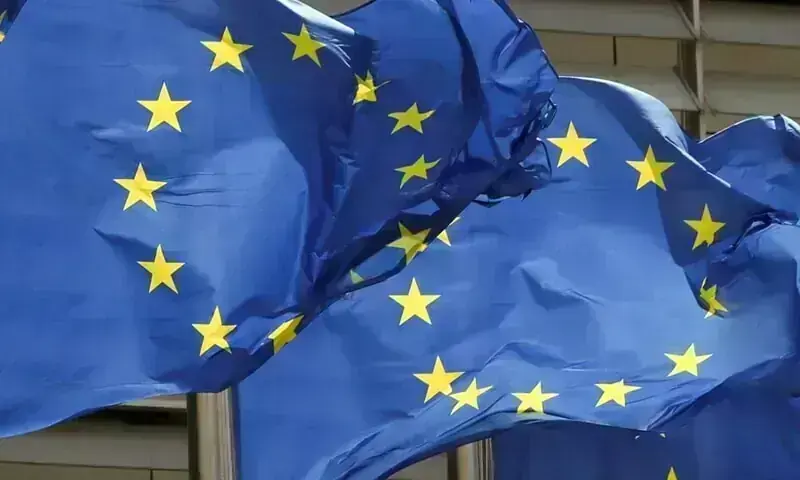
The European Union has identified "issues" with Pakistan's adherence to its Generalised Scheme of Preferences Plus (GSP+) commitments, warning that improvements are necessary to maintain preferential access to the EU market under the revised framework starting in 2027. The European Commission's latest report indicates that Pakistan has "regressed in a number of areas" despite some positive legislative steps. Key priorities for Pakistan include ensuring accountability for human rights violations, intensifying efforts against torture, reforming prison and capital punishment systems, and reversing negative trends in enforced disappearances and freedom of expression.
The report acknowledges positive legislative measures such as the establishment of a National Commission for Minorities, a moratorium on executions, and the passage of a Domestic Violence Bill. However, it stresses that these legislative changes need to translate into tangible improvements on the ground. Significant concerns persist regarding the rule of law and civil society space, with reported increases in enforced disappearances and extrajudicial killings without accountability. The Commission also noted a deterioration in freedom of expression, citing vague provisions in laws related to cybercrime, anti-terrorism, and blasphemy that could be used against dissidents and journalists.
Furthermore, the report highlights concerns over the integrity of the 2024 electoral process, harsh measures against opposition figures, and increased military influence. It also points to issues with judicial independence, fair trial guarantees, and the use of military trials. While recognizing Pakistan's efforts in areas like social protection and gender-based violence prevention, the EU emphasizes that continued GSP+ eligibility hinges on addressing these persistent shortcomings. Pakistan is the largest beneficiary of the GSP+ arrangement, with EU imports from the country reaching €8.3 billion in 2024, and approximately 90% of its exports to the EU remaining eligible for preferences.
The European Union's assessment highlights a critical juncture for Pakistan's trade relationship with the EU, tied to its adherence to international conventions under the GSP+ framework. The report underscores a systemic challenge: the gap between legislative reform and on-the-ground implementation, particularly concerning human rights, rule of law, and freedom of expression. This dynamic suggests that while Pakistan may be adopting policies to meet international standards, the enforcement mechanisms and political will to effect genuine change are lagging. The EU's leverage through the GSP+ mechanism, which provides substantial economic benefits to Pakistan, is significant. However, the upcoming 2027 GSP framework with more stringent requirements presents an opportunity for Pakistan to re-evaluate its governance structures and prioritize sustainable development and human rights as integral to its economic strategy, rather than merely as conditions for trade access. The report's findings point to the need for a long-term, integrated approach to governance reform that aligns economic incentives with fundamental rights and democratic principles.
AI-generated to prompt reflection — not editorial opinion, not advice, not a statement of fact. How this works.