EU Flight Passenger Rights Reform: Changes Starting 2027
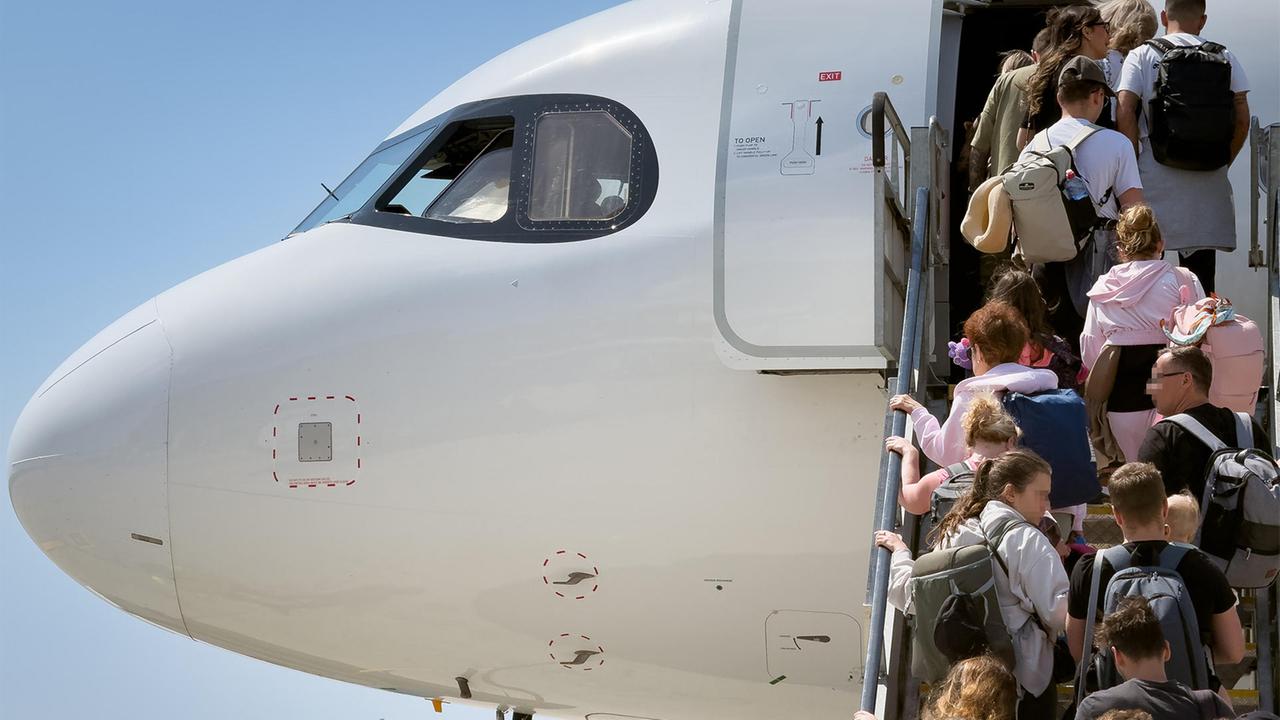
The European Union is set to reform passenger rights concerning air travel, with significant changes scheduled to take effect starting in 2027. The upcoming revisions aim to provide greater benefits for specific groups, including families and individuals with disabilities. These reforms are intended to enhance protections and improve the travel experience for these passengers. However, the overhaul also introduces aspects that could lead to a deterioration of rights for other travelers. The EU's goal is to create a more equitable and robust system for all air passengers. Further details on the specific provisions and their implications are expected as the implementation date approaches. The reform addresses various scenarios and aims to balance the interests of airlines with those of consumers. Passengers are advised to stay informed about the upcoming changes to understand their rights and obligations. The legislative process involved extensive consultation to address long-standing issues in air travel regulations.
The EU's planned reform of flight passenger rights in 2027 signals a strategic effort to recalibrate the balance between airline operational demands and consumer protections. By prioritizing benefits for families and disabled passengers, the EU seeks to address equity concerns and enhance accessibility within the aviation sector. However, the acknowledgment of potential deteriorations for other passenger segments suggests a complex trade-off, possibly involving increased operational flexibility for airlines or revised compensation structures. This reform could reflect evolving societal expectations for corporate responsibility in the context of increasing travel volumes and the growing influence of passenger advocacy groups. Over the next decade, as AI integration in aviation management and customer service advances, such regulatory adjustments will be crucial in shaping a more predictable and fair travel ecosystem, potentially setting precedents for other transport sectors.
AI-generated to prompt reflection — not editorial opinion, not advice, not a statement of fact. How this works.