EU Food Safety Agency Monitors Diverse Threats Beyond Contaminated Food
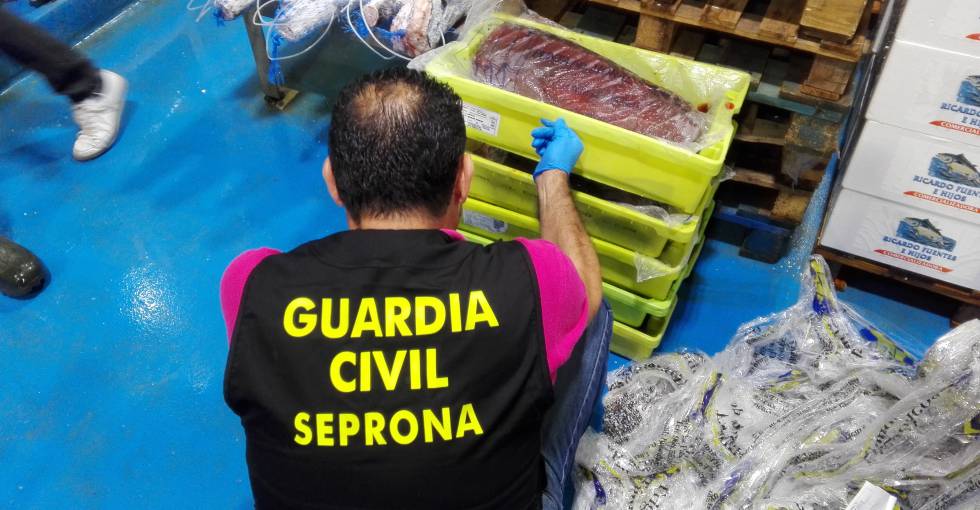
The European Union's food safety agency is actively monitoring a range of food security risks that extend beyond common concerns like contaminated products. These threats encompass issues arising from globalization, climate change, invasive species, and outright fraud. The agency's vigilance includes monitoring the potential for illegal trade in exotic meats, such as primate meat, which poses significant public health risks. It also keeps a close watch on the adulteration of seafood, specifically mentioning tuna, which could involve mislabeling or the addition of harmful substances. Furthermore, the agency is concerned about parasitic contamination, citing an example of raccoon parasites, which can be transmitted to humans through food. These diverse threats highlight the complex challenges in ensuring a safe and secure food supply chain in an increasingly interconnected world.
The European Union's proactive monitoring of a wide array of food safety threats, from illegal wildlife trade to parasitic contamination, underscores the systemic vulnerabilities inherent in globalized food systems. These challenges are exacerbated by climate change and the proliferation of invasive species, creating complex risk management scenarios. The agency's broad scope reflects an understanding that food security is not solely about product quality but also about the integrity of supply chains and the prevention of illicit activities. Future strategies will likely need to integrate advanced surveillance technologies and international cooperation to effectively mitigate these multifaceted risks, balancing consumer protection with the economic realities of global trade.
AI-generated to prompt reflection — not editorial opinion, not advice, not a statement of fact. How this works.