EU Gas Storage Filling Slows Amid Geopolitical Concerns
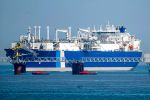
European Union member states are experiencing a slower rate of filling their natural gas reserves this summer compared to previous years. This trend is partly attributed to the ongoing conflict in the Middle East, which introduces uncertainty into energy markets. The situation necessitates a more accelerated effort from EU nations to ensure adequate storage levels ahead of the winter season. While the Middle East conflict is a significant factor, it is not the sole reason for the reduced pace of replenishment. The need to increase the speed of gas storage operations is becoming increasingly urgent as the continent prepares for potential energy demands. This slower filling rate could pose challenges if winter proves to be particularly cold or if other supply disruptions occur. EU countries are therefore being urged to prioritize and expedite their efforts to secure sufficient gas reserves. The effectiveness of these efforts will be crucial in maintaining energy security throughout the upcoming colder months.
The current slowdown in EU gas storage replenishment, influenced by geopolitical instability in the Middle East, highlights the inherent vulnerability of energy markets to external shocks. This situation underscores the strategic imperative for the EU to diversify its energy sources and supply routes, reducing reliance on any single region or supplier. The incentive structure for member states may need recalibration to prioritize rapid storage build-up, potentially through financial or regulatory mechanisms. Looking ahead, the integration of renewable energy sources and improved energy efficiency measures will be critical in mitigating future risks associated with fossil fuel supply chain disruptions, particularly as the global energy landscape continues to evolve under the pressures of climate change and technological advancement.
AI-generated to prompt reflection — not editorial opinion, not advice, not a statement of fact. How this works.