EU Halts Brazilian Beef Imports Over Antimicrobial Rules, Impacting Strategic Markets
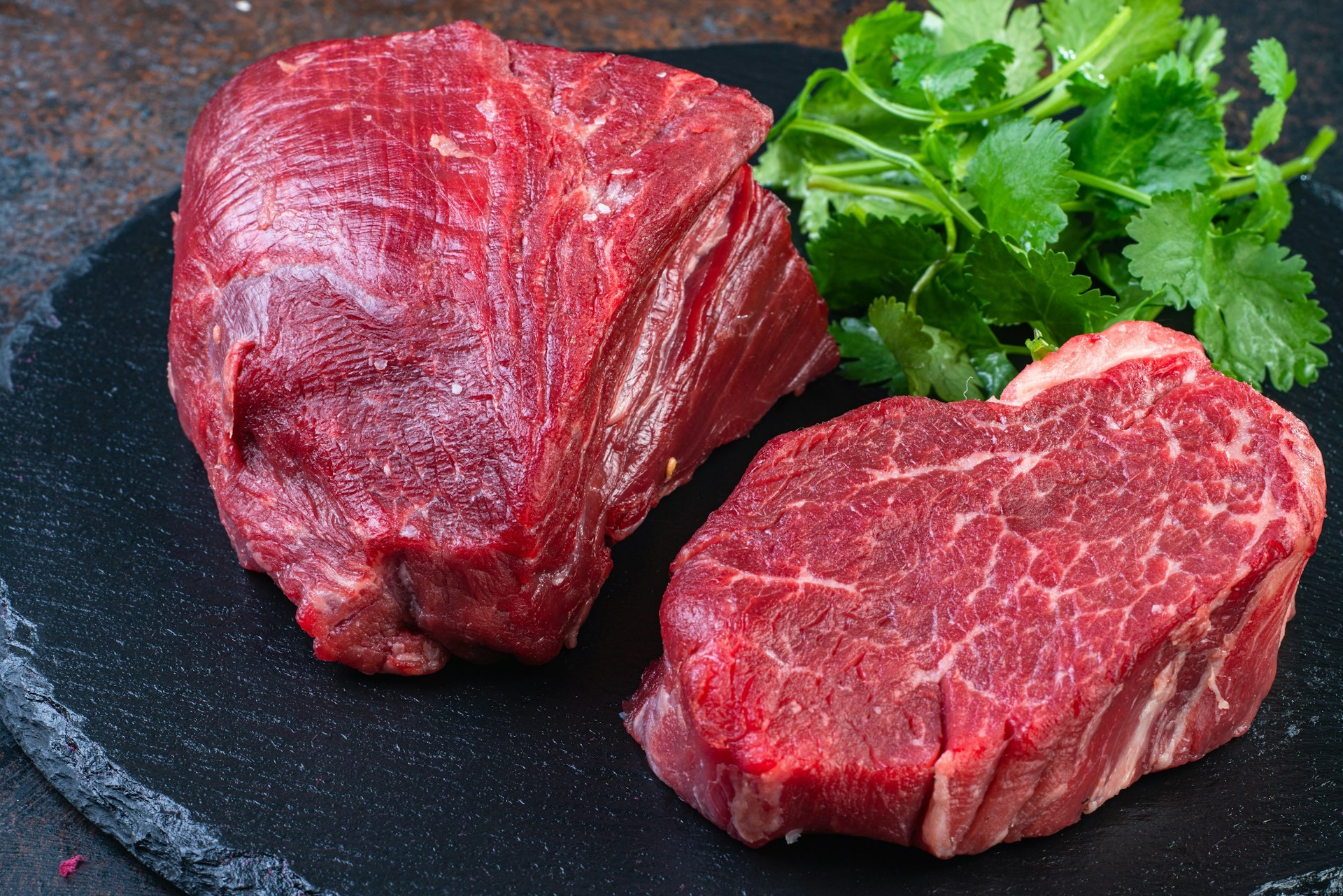
The European Union will cease purchasing animal products from Brazil, including beef, starting September 3rd. This decision stems from Brazil's exclusion from the EU's list of countries compliant with its regulations on antimicrobial use in livestock. While the EU accounts for only 3.7% of Brazil's total beef export volume and 5.8% of its value, the market holds significant strategic importance for Brazilian ranchers and meatpackers. The EU's exclusion is not due to detected irregularities in Brazilian meat but rather the EU's assessment that Brazil's control over antimicrobial usage is insufficient. Experts highlight that the EU is a crucial "showcase" market, purchasing premium cuts like filet mignon and sirloin at higher prices, approximately $10 per kilogram compared to China's average of $6.50. Compliance with EU standards, including stringent traceability and animal welfare requirements, serves as a quality seal that facilitates access to other demanding markets such as Japan and South Korea. Adapting to the EU's rigorous system is complex, with only specific Brazilian states authorized for export and requiring individual farm and animal assessments. The EU's decision may disincentivize producers from maintaining costly traceability protocols, as the premium for 'Europe-standard' beef, typically up to 10%, might disappear. Producers are exploring alternative markets like the USA or premium domestic consumption for these specialized cattle, with some indicating they will abandon EU protocols if additional payment is not secured. Re-entry into the EU market will be a lengthy process, potentially taking years for animals born after the new regulations take effect to be eligible for export, as the entire life cycle will need to be verified as antimicrobial-free, a significant shift from previous requirements focusing on the last 100 days. This ban coincides with China's imposition of export quotas, potentially leading to increased beef supply and lower prices for premium cuts in the Brazilian domestic market, although a broader decrease in cattle supply due to the livestock cycle may temper significant price drops.
The EU's decision to halt Brazilian beef imports, citing insufficient antimicrobial controls, highlights a global trend towards heightened regulatory scrutiny of food production systems. While framed as a public health measure, this action also functions as a significant trade policy tool, influencing market access and potentially reshaping global supply chains. Brazil's reliance on the EU as a "showcase" market underscores the interconnectedness of international trade standards and their role in conferring market legitimacy. The economic implications for Brazilian producers, particularly the potential erosion of premiums for high-standard beef, raise questions about the long-term viability of maintaining costly compliance measures without guaranteed market rewards. This situation prompts consideration of how international bodies can foster equitable trade while ensuring robust public health and environmental standards, and whether producer incentives can be aligned with evolving global regulatory demands to avoid market disruptions and protect valuable export relationships.
AI-generated to prompt reflection — not editorial opinion, not advice, not a statement of fact. How this works.
