EU Halts Brazilian Meat Imports for Up to Two Years Over Antimicrobial Concerns
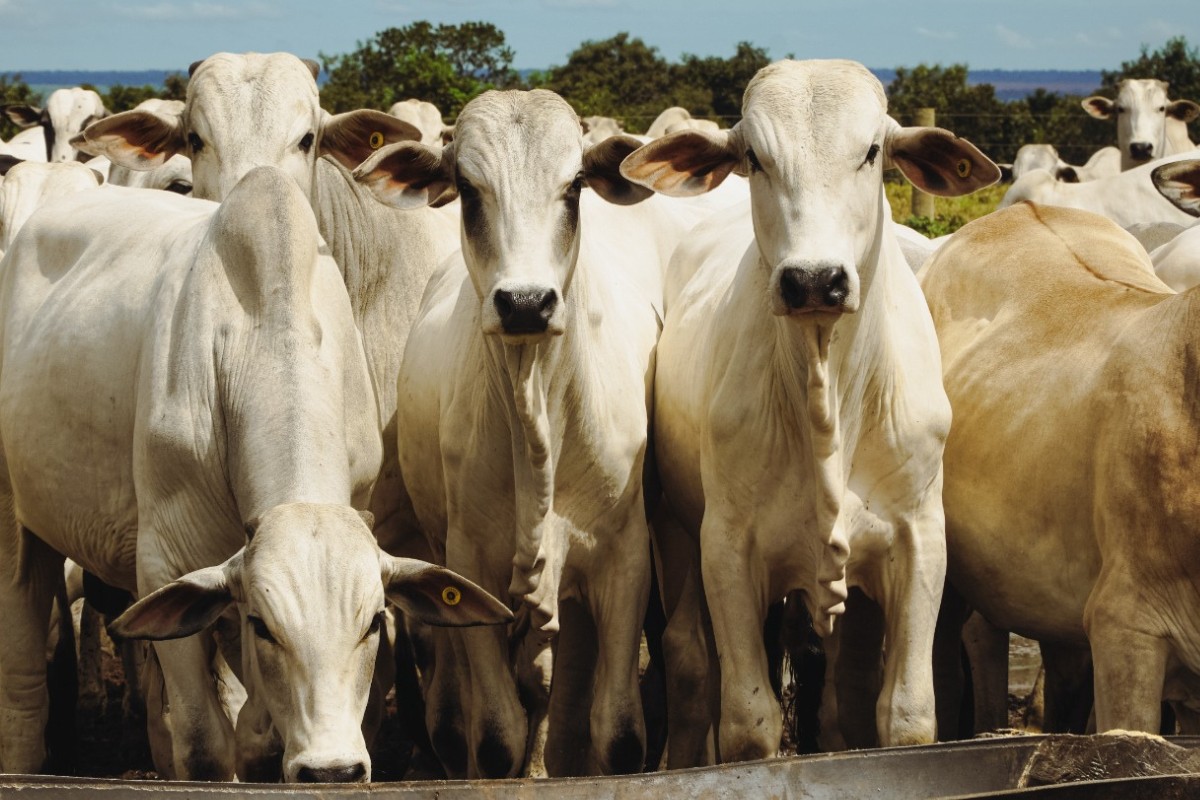
The European Union will cease purchasing animal products from Brazil, including beef, chicken, and honey, starting September 3rd, with imports potentially not resuming for up to two years. This decision stems from the EU's exclusion of Brazil from its list of countries compliant with antimicrobial use regulations in livestock farming. While no specific irregularities were found in Brazilian meat, the EU deems Brazil's control over antimicrobial substances insufficient. Brazil has implemented new protocols, including a ban on certain antimicrobials and increased inspections, but the EU has not yet reversed its decision. Livestock producers estimate a two-year period for animals to meet new standards, linked to the cattle's lifecycle. The EU's animal health office confirmed that export resumption depends on animal production cycles. A delegation from the EU is expected in Brazil in late August to review new protocols, with a final decision potentially awaiting a November committee meeting. Brazilian agricultural representatives view the ban as protectionist, especially following the EU-Mercosur free trade agreement. Honey exports, which had doubled to $6.3 million in the first half of the year due to US tariffs, are also affected, though Brazilian honey is largely organic and certified free of residues. Producers are concerned about potential cross-contamination from nearby livestock farming.
The European Union's decision to suspend Brazilian animal product imports highlights a growing global tension between agricultural trade liberalization and stringent public health and environmental standards. While Brazil asserts its compliance and points to recent regulatory adjustments, the EU's stance suggests a persistent concern regarding the enforcement and scope of antimicrobial use controls. This situation underscores the complex interplay of market access, consumer trust, and the evolving regulatory landscape for agricultural products. The potential two-year disruption points to the significant lead times required for systemic changes in livestock production, affecting not only Brazil's export economy but also potentially influencing global supply chains and prompting other nations to reassess their own standards. The underlying issue of antimicrobial resistance remains a critical public health challenge, and differing national approaches to its mitigation in agriculture could create ongoing trade friction.
AI-generated to prompt reflection — not editorial opinion, not advice, not a statement of fact. How this works.
