EU Hesitates on Sanctions Against Israeli Settlements Amid Gaza and West Bank Violence
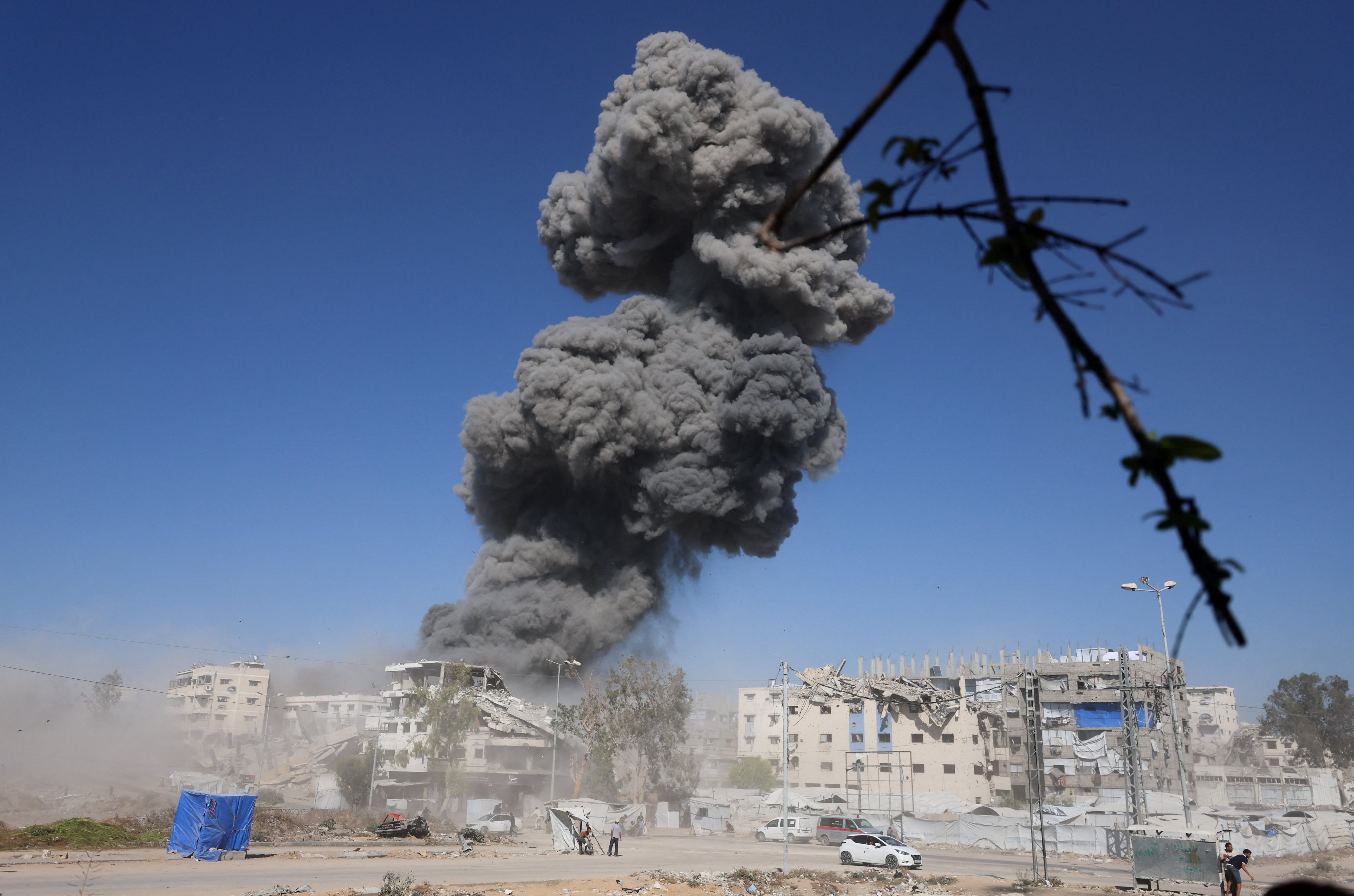
European Union foreign ministers are considering "options" to ban trade with illegal Israeli settlements. However, a concrete decision on implementing such sanctions appears distant. The discussions come in the context of ongoing violence in Gaza and the West Bank, where Israeli actions have been described as a "massacre." The ministers met on Monday to deliberate on potential measures. The reluctance to impose firm sanctions highlights internal divisions within the EU regarding its approach to the Israeli-Palestinian conflict. While some member states may push for stronger action, others appear hesitant to alienate Israel. The focus on settlements acknowledges their illegal status under international law but stopping trade with them is a step that has proven difficult for the bloc to take decisively. The situation in Gaza and the West Bank remains a critical concern, prompting these discussions but not yet leading to unified action.
The EU's deliberation on sanctioning Israeli settlements reflects a recurring tension between stated international legal principles and geopolitical realities. While the illegality of settlements is widely recognized, the bloc's capacity to translate this recognition into decisive action is constrained by member state consensus requirements and broader foreign policy considerations. This dynamic suggests a systemic challenge in aligning European foreign policy objectives with its normative commitments, particularly when faced with complex, protracted conflicts. The protracted nature of these discussions may indicate that the EU's current governance structures are ill-equipped to impose swift, unified sanctions on a significant geopolitical actor, potentially signaling a need for reform in decision-making processes to address future crises more effectively and uphold international law.
AI-generated to prompt reflection — not editorial opinion, not advice, not a statement of fact. How this works.